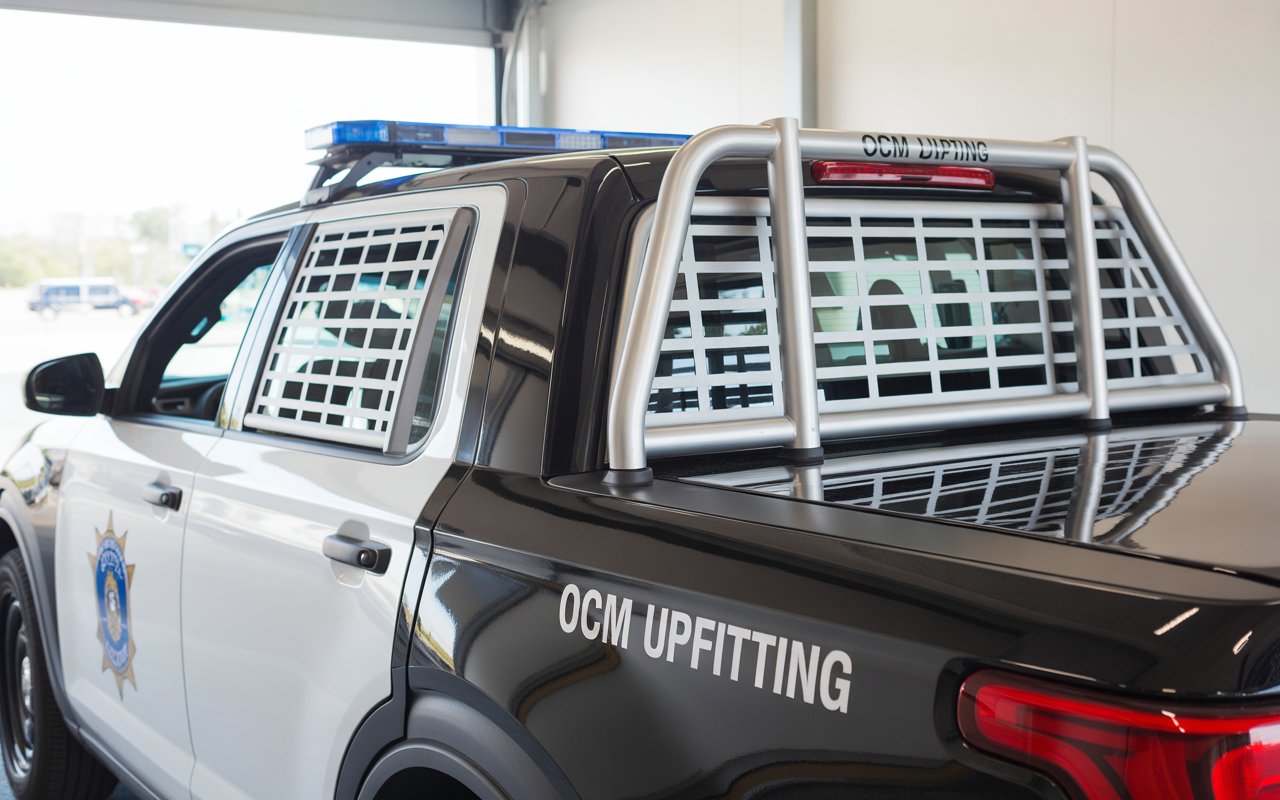
K9 window guards aluminum systems are becoming the preferred choice for departments seeking durability and long-term performance. When upfitting a patrol vehicle for a working dog, one of the most critical decisions is choosing the right window guard material. The material you select directly affects the safety of the K9, the ventilation available, the weight added to the vehicle, and the overall longevity of the upfit.
For departments upgrading or building out their fleet, choosing the correct window guard is just as important as choosing cages, climate systems, or storage solutions. And because these decisions are part of broader commercial vehicle upfitting needs, understanding material differences helps ensure your investment lasts.
Why Window Guard Materials Matter for K9 Safety
A K9 unit spends a large portion of its duty time in the vehicle. The right window guard:
-
Prevents the dog from pushing through or breaking the window
-
Allows fresh airflow and cooling, especially during high-temperature operations
-
Protects the interior during agitation training or high-energy deployments
-
Maintains officer safety by keeping the dog contained securely
This is why the material used in window guards is not just a construction detail—it is a safety decision.
Aluminum K9 Window Guards
Aluminum has become one of the most popular materials for K9 window guards in modern patrol vehicles. Below are the primary advantages:
1. Lightweight Construction
Aluminum is significantly lighter than steel, meaning it adds less load to the door frame and hinges. This reduces long-term wear on the vehicle, especially in SUVs commonly used for K9 operations.
2. Corrosion Resistant
Unlike steel, aluminum does not rust. Patrol vehicles operating in areas with humidity, rain, snow, or road salt benefit greatly from guards that will not corrode over time.
3. Strong and Durable
High-grade aluminum provides strong impact resistance. Even during aggressive agitation or high-drive behavior, the material holds firm.
4. Better Ventilation Options
Aluminum guards often have laser-cut or CNC-designed openings that maximize airflow without compromising safety. This helps regulate cabin temperature—critical for K9 comfort.
5. Low Maintenance
Aluminum window guards require minimal upkeep. Wiping down with standard cleaners keeps them in excellent shape.
Potential Drawbacks of Aluminum
-
May have slightly lower tensile strength than steel in extreme impact scenarios
-
Can be more expensive depending on manufacturer
Overall, aluminum guards are the most balanced choice in modern K9 units, offering durability, safety, and performance without excessive weight.
Steel K9 Window Guards
Steel has traditionally been used in law-enforcement vehicle equipment, and it remains a strong option depending on the department’s requirements.
1. Maximum Strength
Steel provides superior rigidity and can handle extreme force. If your K9 is known for heavy drive, chewing, or aggressive behavior, steel may be beneficial.
2. Budget-Friendly
Steel guards can be more affordable upfront. Departments with tight budgets sometimes choose steel for cost-saving reasons.
3. Long-Term Structural Reliability
With proper coating and powder-finishing, steel guards can withstand years of duty use.
Potential Drawbacks of Steel
-
Heavy Weight: Steel significantly increases door weight, leading to hinge strain and reduced long-term door alignment.
-
Prone to Rust: Without proper coatings, steel will corrode, especially in coastal or rainy regions.
-
Reduced Ventilation Design Capabilities: Cutouts are usually more limited compared to CNC-cut aluminum designs.
Steel is strong and practical but requires more maintenance and contributes more weight to the vehicle.
Aluminum vs. Steel: Side-by-Side Comparison
| Feature | Aluminum K9 Window Guards | Steel K9 Window Guards |
|---|---|---|
| Weight | Very lightweight | Heavy |
| Strength | High | Very high |
| Rust Resistance | Excellent | Needs coating, prone to rust |
| Ventilation Design | Superior airflow cutouts | More limited cutouts |
| Vehicle Wear Over Time | Minimal | Significant |
| Cost | Moderate to High | Low to Moderate |
| Maintenance | Very low | Higher |
Which Material Is Best for K9 Patrol Vehicles?
For most agencies in the U.S., aluminum window guards offer the best balance of safety, ventilation, weight, and longevity. They perform exceptionally well in all climates, require less vehicle maintenance, and deliver advanced airflow—critical for K9 comfort.
However, steel guards remain a strong option for departments requiring maximum bite-resistant durability.
When selecting the best option, consider:
-
Your typical climate
-
Vehicle type (SUV vs. sedan)
-
Your K9’s temperament and drive
-
Fleet budget and long-term maintenance plans
Why Proper Installation Matters
Regardless of material, window guards must be installed professionally to ensure they:
-
Fit securely within factory door frames
-
Lock into OEM mounting points
-
Do not interfere with window operation
-
Provide maximum K9 containment
A poorly installed guard—regardless of strength—reduces safety. Working with an experienced upfitting team ensures long-term reliability.
Conclusion
Window guards are more than just protective barriers—they are essential safety equipment for every working K9. Choosing the right material directly impacts your dog’s comfort, health, and security inside the patrol vehicle.
Aluminum offers outstanding performance for most departments, while steel remains a durable alternative for specific needs. Understanding these differences ensures you select equipment that protects both your canine partner and your vehicle investment.
Ready to Upfit Your K9 Patrol Vehicle?
If you’re looking to enhance safety, cooling, and long-term performance in your K9 unit, OCM Upfitting provides professional installation and premium equipment designed for law-enforcement agencies across the U.S.
Book your appointment today or speak with an expert by calling: Call Now: 1-954-764-8117.