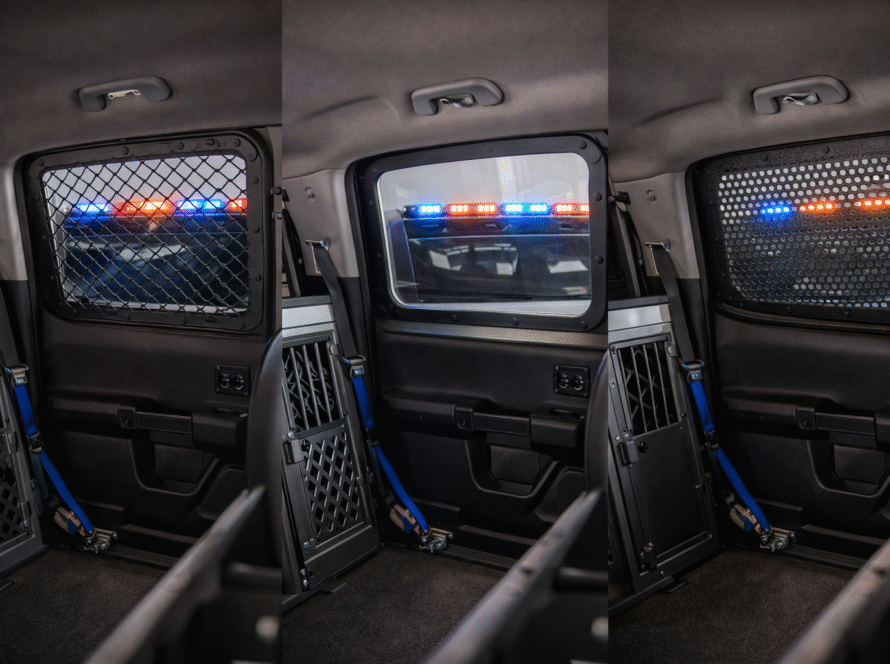
Single vs. Dual K9 Modules has become a key discussion point for agencies looking to improve K9 deployment, officer safety, and overall vehicle efficiency. Choosing between these two configurations isn’t just about space it’s about training style, operational needs, and mission readiness. Departments across the U.S. are outfitting their SUVs with smarter, safer, and more adaptable K9 transport systems, and knowing the differences helps you invest wisely.
When upgrading patrol units, equipment layout matters as much as the dogs you train. Many departments rely on professional commercial vehicle upfitting to ensure their K9 units are protected, secure, and ready for rapid deployment. But before you upfit your fleet, you need to determine whether a single or dual K9 module is the right choice.
Understanding Single K9 Modules
A single K9 module is designed to house one working dog safely and comfortably inside an SUV. This setup is the most commonly used in law enforcement, primarily because many departments operate with one K9 team per vehicle.
Key Benefits of Single Modules
1. More Cargo & Equipment Space
With one kennel taking up only a portion of the rear cabin, agencies retain valuable room for gear such as medical kits, tactical equipment, weapons cases, and storage drawers.
2. Ideal for Patrol-Based Operations
A majority of police K9 deployments involve one handler and one dog. A single module supports:
-
General patrol
-
Narcotics detection
-
Tracking
-
Bite work
-
Building searches
The compact design keeps the dog secure while providing handlers easy access to both the animal and mission-critical tools.
3. Lower Cost and Easier Installation
Single modules are more budget-friendly. Their lighter weight and smaller footprint make installation straightforward, which is ideal for departments managing multiple SUVs.
4. Better Comfort for Larger Breeds
Breeds like German Shepherds, Belgian Malinois, and Dutch Shepherds often require more room to stand, turn, and cool down. A single module gives them that freedom.
Understanding Dual K9 Modules
A dual K9 module includes two separate kennels within the same SUV. Each compartment is individually secured, climate-controlled, and designed to house two working dogs or one dog and one storage compartment, depending on your configuration.
Key Benefits of Dual Modules
1. Multi-Dog Deployment
Units with larger K9 teams benefit from carrying two dogs:
-
One dog for patrol
-
One dog for detection
-
One dog as a backup
-
A specialized skill such as cadaver detection or explosives
Dual systems make it possible to rotate dogs during long missions, reduce fatigue, and respond to more complex calls.
2. Shared Fleet Efficiency
When multiple handlers share a vehicle across shifts, dual modules allow the SUV to support different dogs without constant transferring or reconfiguring.
3. Versatile Mission Support
Dual modules enhance agency readiness for scenarios like:
-
Large-scale searches
-
Mutual aid deployments
-
High-risk warrant service
-
Disaster response
-
Airport or port security sweeps
With two K9s available inside one vehicle, agencies greatly increase operational flexibility.
4. Optional Split Space for Gear
Some departments use one half of a dual module for a dog and the other half for:
-
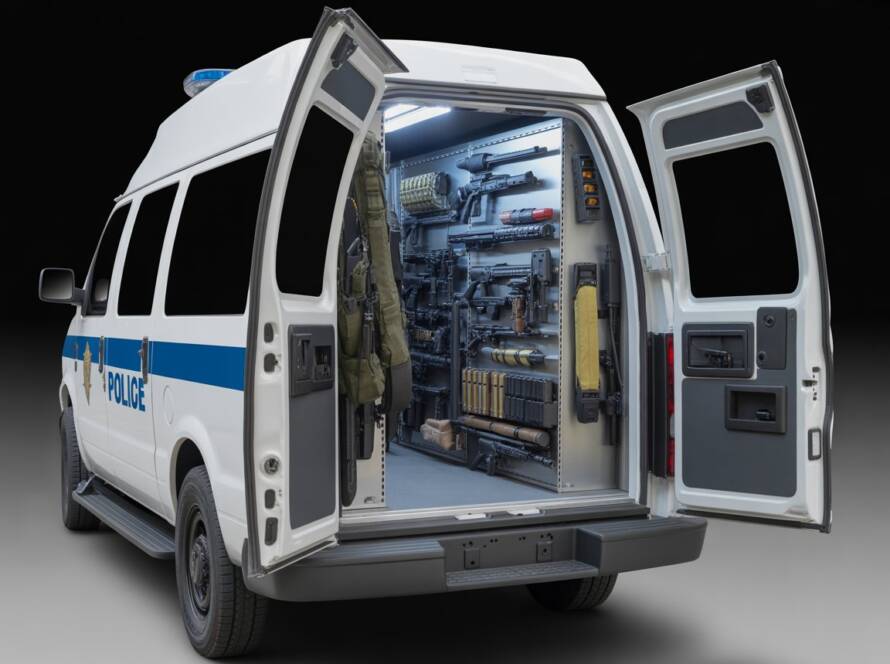
Weapons lockers
-
Shelving units
-
Medical response storage
-
Specialized detection equipment
This approach keeps everything locked, organized, and easy to access in fast-moving situations.
Single vs. Dual K9 Modules: How to Choose the Right Fit
Selecting the best configuration for your SUV fleet depends on your agency’s mission, K9 program size, and daily operational demands.
1. Mission Requirements
If your K9 deployments focus on general patrol duties and narcotics detection, a single module is often sufficient.
If your department handles complex or multi-dog missions, a dual setup provides better coverage.
2. Number of K9 Teams
Smaller departments with one K9 team usually benefit from single modules due to cost and space savings.
Agencies with multiple dogs or specialty teams gain far more value from dual modules.
3. Fleet Size and Vehicle Type
Larger SUV fleets—especially those with newer models designed for police use—can easily accommodate dual systems.
If your fleet includes older or mixed-size SUVs, single modules may offer a better fit.
4. Budget and Long-Term ROI
Dual modules cost more upfront but can reduce long-term expenses by eliminating the need for second or backup K9 vehicles.
Single modules cost less, but may require additional SUVs if your K9 program expands.
5. Dog Comfort and Welfare
Always consider ventilation, temperature control, movement, and safe entry/exit.
Single modules provide more room for big dogs, while dual modules ensure proper separation and safety during multi-dog transport.
Which Option Do Most Departments Choose?
Most U.S. police departments still choose single K9 modules because:
-
They suit standard patrol operations
-
They provide excellent space for gear
-
They keep budgets manageable
However, specialized units especially sheriff’s departments, highway patrol agencies, and federal or multi-county task forces—are increasingly turning to dual modules for their flexibility.
Final Thoughts
Both single and dual K9 modules are engineered to keep working dogs safe, comfortable, and ready for action. The best choice depends entirely on how your department trains, deploys, and manages its K9 teams. Whether you prioritize space, multi-dog capability, or specialized mission readiness, the right module ensures your SUV fleet stays efficient and fully prepared.
Ready to Upfit Your K9 Fleet?
Upgrade your SUVs with professional, reliable, and mission-ready K9 modules built for real law-enforcement demands. OCM Upfitting delivers high-quality K9 systems tailored to your fleet and your operational goals. Book your appointment now or call 1954-764-8117 to speak with our K9 upfitting specialists today.