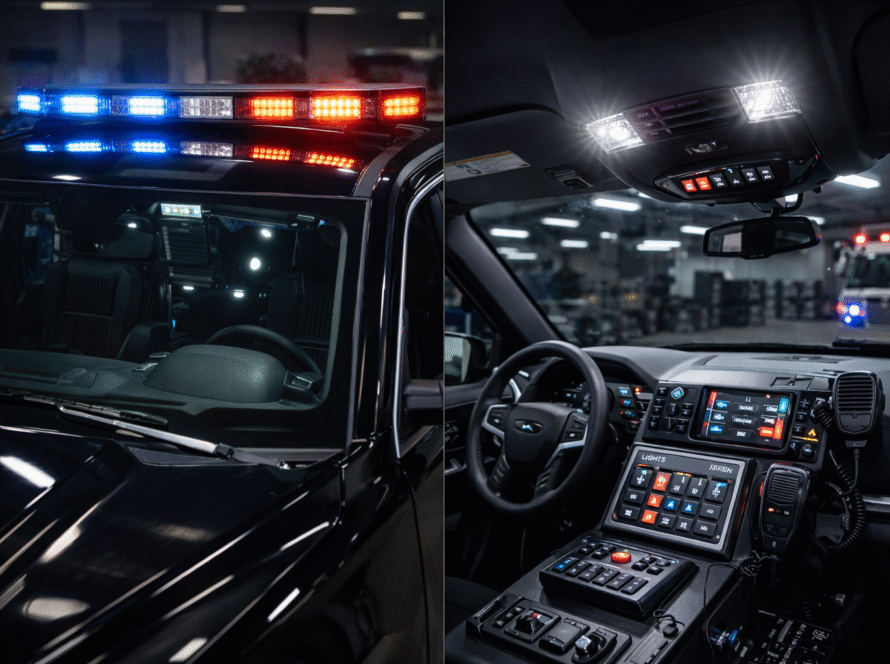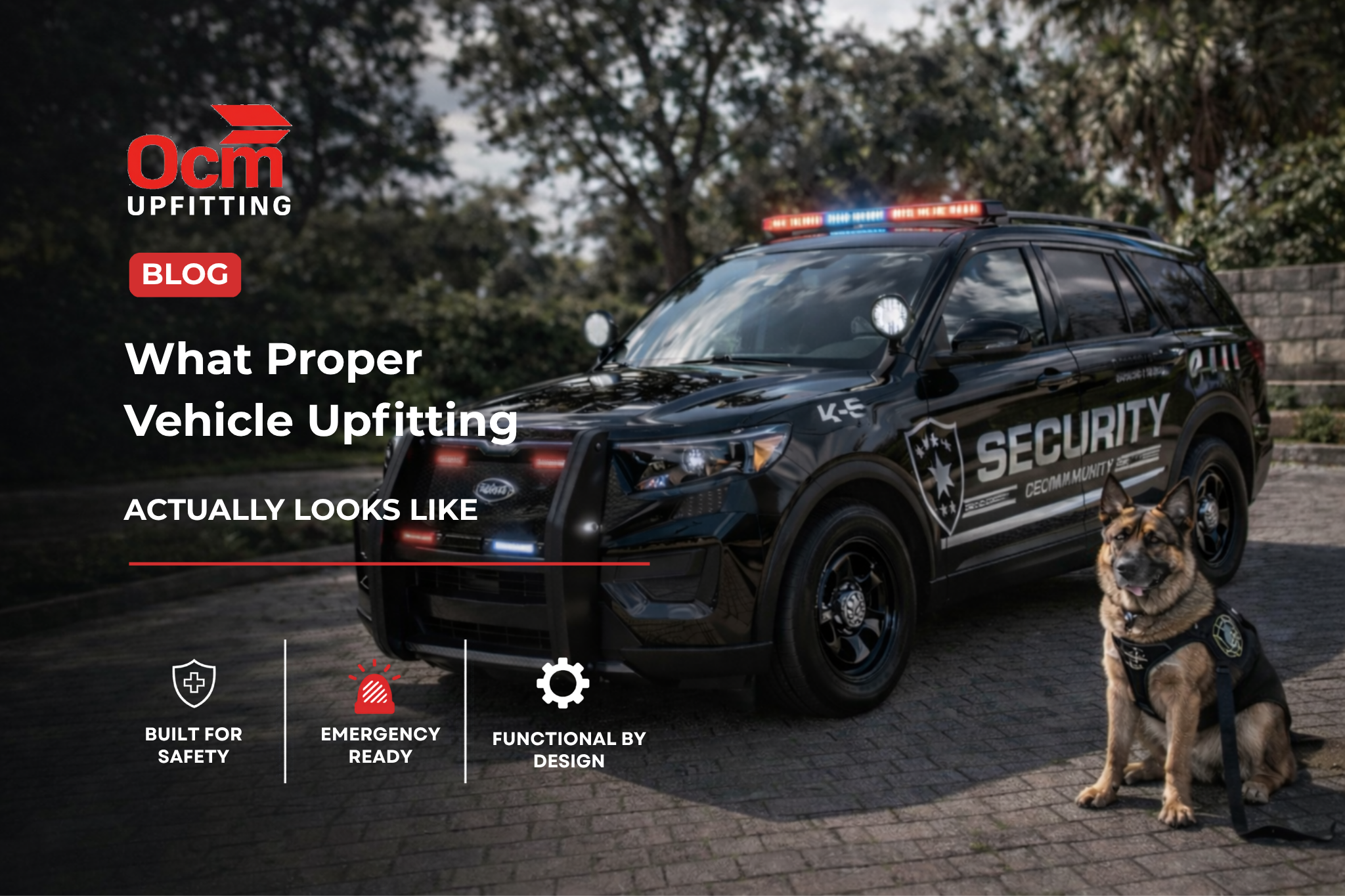
When it comes to law enforcement, emergency response, and commercial fleets, a standard vehicle is not enough. These vehicles must be engineered for real-world conditions where performance, safety, and reliability are non-negotiable.
That’s where professional vehicle upfitting comes in.
Companies like OCM Upfitting specialize in transforming standard vehicles into mission-ready assets built for demanding environments. From lighting systems to full tactical builds, every detail matters.
What Is Vehicle Upfitting?
Vehicle upfitting is the process of modifying a vehicle with specialized equipment, technology, and structural enhancements to meet specific operational needs.
This includes:
- – Emergency lighting and sirens
- – K9 transport systems
- – Storage and equipment racks
- – Communications and technology installations
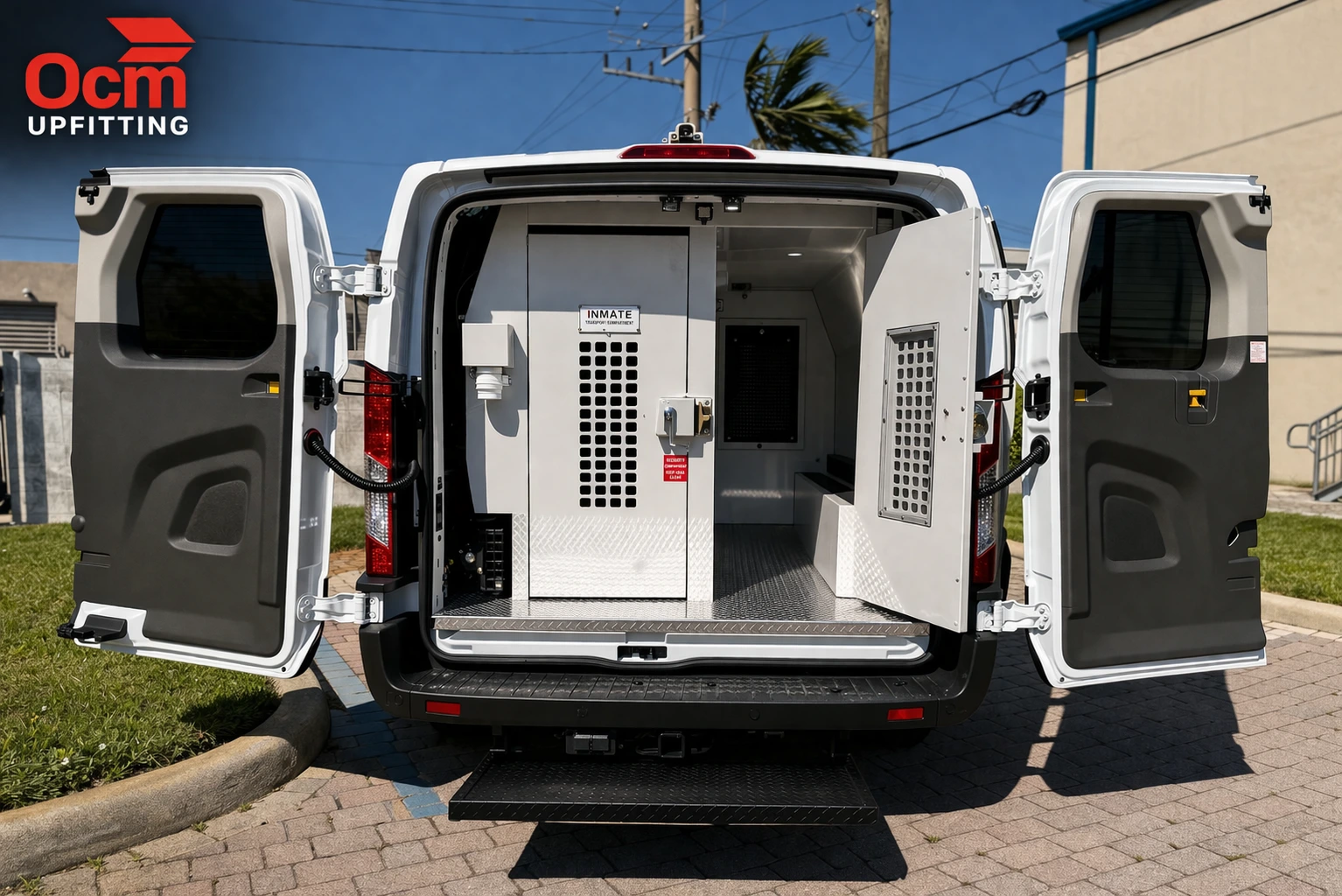
- – Full vehicle conversions
The goal is simple: turn a basic vehicle into a fully functional operational tool.
Why Upfitting Matters More Than Ever
1. Safety Is Non-Negotiable
Proper upfitting ensures vehicles are equipped with high-visibility lighting, secure storage, and integrated systems that reduce risk for both operators and the public.
2. Operational Efficiency
Upfitted vehicles are designed for workflow. Equipment is accessible, organized, and optimized for speed — which directly impacts response times.
3. Long-Term Cost Savings
Custom builds reduce wear and tear, prevent damage, and extend vehicle lifespan, making them a smart long-term investment.
What Sets Professional Upfitting Apart
Not all upfitting is equal.
At a professional level, every build is:
- – Engineered for real-world conditions
- – Built with durability and precision
- – Designed for specific use cases (law enforcement, EMS, fleets)
OCM Upfitting focuses on mission-ready transformations, ensuring every vehicle is prepared for high-stakes environments.
Common Use Cases
- – Police and law enforcement vehicles
- – Fire and emergency response units
- – Tactical and security fleets
- – Commercial and utility vehicles
Each requires a different configuration — which is why customization is critical.
The Bottom Line
A vehicle is more than transportation — it’s a tool.
And in mission-critical environments, the difference between a standard vehicle and a properly upfitted one can directly impact safety, efficiency, and outcomes.