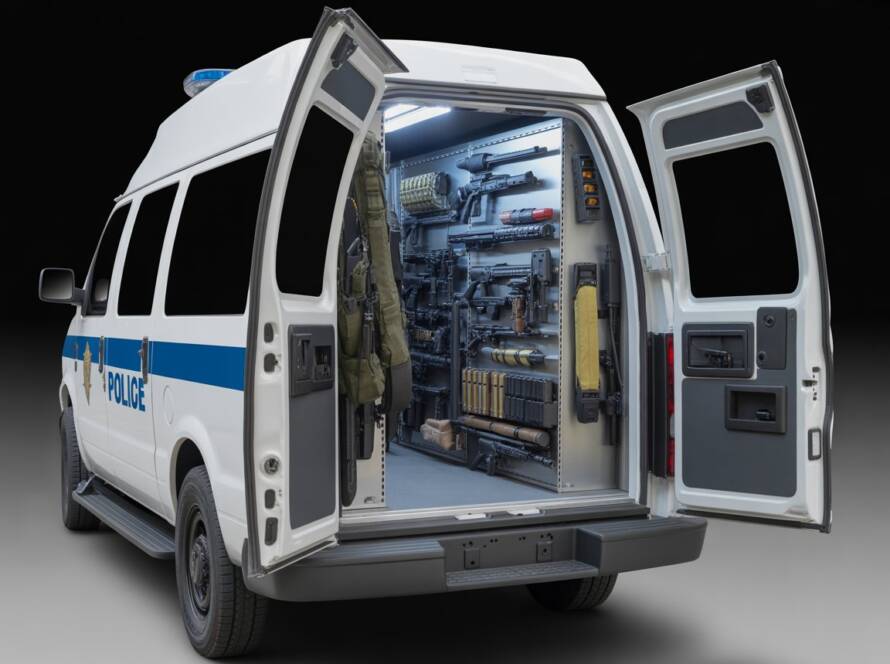
Future emergency lighting is rapidly transforming how emergency vehicles communicate with drivers, pedestrians, and surrounding traffic. As technology evolves, the next generation of emergency warning lights is becoming smarter, brighter, more energy-efficient, and safer for everyone on the road.
Emergency vehicle upfitting specialists and fleet operators are increasingly adopting advanced lighting solutions to improve safety and operational effectiveness. With the growing demand for smarter vehicle technology, the role of lighting systems continues to expand beyond basic illumination.
In fact, modern vehicle upfitting services now focus heavily on integrating intelligent lighting solutions. Companies providing specialized services like future emergency lighting installations are helping emergency fleets prepare for the next generation of vehicle safety technology.
LED Advancements Driving Performance
LED technology has already replaced traditional halogen and strobe lighting systems in most emergency vehicles. However, the next wave of LED innovation is pushing performance even further.
Modern emergency LED systems offer:
-
Higher brightness with lower power consumption
-
Faster flash patterns for improved visibility
-
Longer lifespan and reduced maintenance
-
Compact designs that integrate seamlessly with vehicle bodies
Future LED warning lights will become even more efficient, allowing emergency vehicles to operate powerful lighting systems without placing strain on vehicle electrical systems. This is particularly important for police, fire, and medical fleets that operate continuously throughout the day.
Smart Lighting Systems and Automation
One of the most exciting developments in emergency vehicle lighting is the introduction of smart automation.
Future warning light systems will integrate with vehicle sensors, GPS systems, and onboard computers to automatically adjust lighting patterns based on real-time conditions. For example, a vehicle approaching an intersection may automatically activate specific warning patterns designed to alert surrounding drivers more effectively.
Automation also helps reduce driver workload. Instead of manually controlling multiple lighting switches, intelligent systems can manage lighting configurations depending on speed, traffic conditions, or emergency response mode.
Integration with Vehicle-to-Everything (V2X) Technology
Connected vehicle technology is expected to play a major role in the future of emergency lighting.
Vehicle-to-Everything (V2X) communication allows emergency vehicles to send signals directly to nearby vehicles, traffic lights, and roadway infrastructure. When combined with advanced lighting systems, this technology can dramatically improve response times and road safety.
For instance, emergency vehicles could trigger nearby traffic lights to change automatically while warning surrounding vehicles through dashboard alerts. At the same time, enhanced lighting systems would visually reinforce the warning, ensuring drivers respond quickly.
This combination of digital alerts and visual signals will make emergency vehicles significantly easier to detect in heavy traffic.
Adaptive Lighting for Different Environments
Emergency vehicles operate in many different environments, including highways, residential neighborhoods, urban areas, and rural roads. Future lighting systems will adapt automatically to these changing conditions.
Adaptive lighting technology may include:
-
Daytime brightness adjustments for maximum visibility
-
Nighttime glare reduction to prevent blinding drivers
-
Weather-responsive flash patterns during fog or rain
-
Directional lighting that focuses warning signals toward approaching traffic
By dynamically adjusting brightness and patterns, these systems ensure emergency lights remain effective without creating unnecessary distractions for other drivers.
Low-Profile and Integrated Lighting Designs
Modern emergency vehicle design is shifting toward sleek, integrated lighting solutions rather than bulky rooftop light bars.
Future warning lights will increasingly be embedded directly into vehicle components such as:
-
Grilles
-
Bumpers
-
Mirrors
-
Rear hatch panels
-
Window edges
These low-profile designs improve aerodynamics while maintaining full 360-degree visibility. Integrated lighting also helps vehicles maintain a professional appearance while still delivering powerful warning signals.
For departments that rely on unmarked vehicles, discreet lighting systems provide a significant operational advantage.
Energy Efficiency and Sustainability
Energy efficiency is becoming a priority for many government fleets and emergency service departments.
Future emergency lighting systems will use advanced power management technology that minimizes energy consumption while maintaining maximum brightness. This helps reduce fuel usage and supports the growing shift toward hybrid and electric emergency vehicles.
LED systems already consume significantly less energy than traditional lighting. However, next-generation designs will incorporate smarter power distribution, ensuring that only the necessary lights activate during specific response situations.
This approach not only saves energy but also extends the lifespan of vehicle electrical components.
Improved Safety for First Responders
Beyond visibility, future emergency lighting technology will focus heavily on protecting first responders.
High-visibility rear warning systems, directional lighting, and scene illumination features will help keep firefighters, police officers, and paramedics safer when working near traffic.
Some emerging lighting solutions include:
-
Rear arrow boards that guide traffic around emergency scenes
-
Ground illumination lights that improve visibility around the vehicle
-
360-degree scene lighting for nighttime operations
-
Anti-collision lighting patterns designed to attract driver attention faster
These innovations play a critical role in reducing roadside accidents involving emergency personnel.
The Future of Emergency Vehicle Lighting
The evolution of emergency warning lights is moving quickly as technology continues to advance. From smart automation and connected vehicle systems to adaptive brightness and integrated vehicle design, the next generation of lighting solutions will dramatically improve safety and operational efficiency.
Emergency fleets that invest in modern upfitting solutions today will be better prepared for the rapidly changing demands of public safety operations. As response environments grow more complex, advanced lighting technology will remain one of the most essential tools for protecting both first responders and the communities they serve.