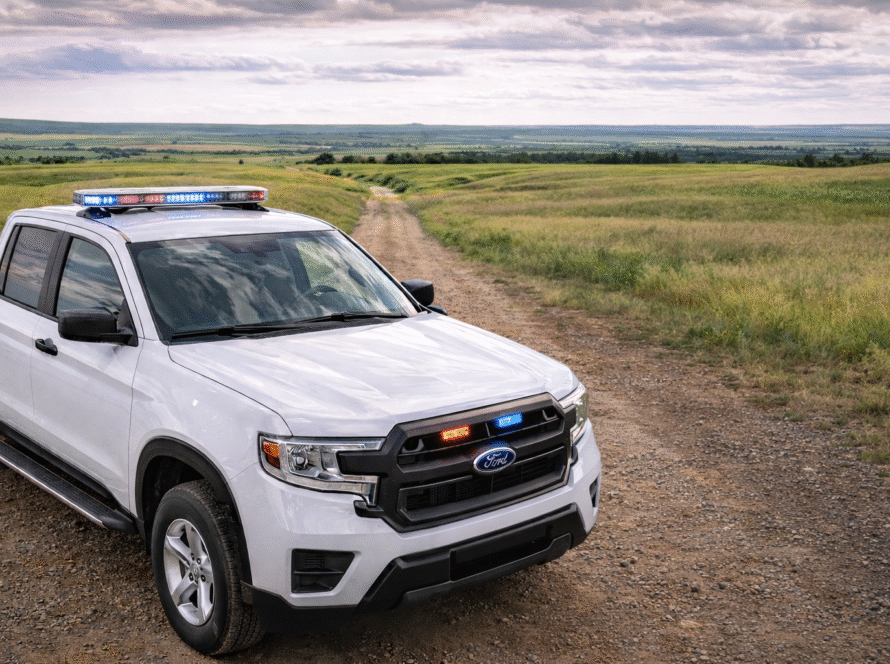
Light bar visibility angle plays a crucial role in ensuring emergency and service vehicles remain visible at busy intersections. When the light bar is mounted at the correct height, warning lights become easier to see from multiple directions, giving drivers more time to react and move safely.
Emergency fleets, police vehicles, utility trucks, and municipal service vehicles all depend on proper light bar placement to improve road safety. Optimizing mounting height is not only about aesthetics it directly affects how far and how clearly warning signals can be seen, especially in complex traffic environments like intersections.
Why Light Bar Height Matters
Intersections are one of the most dangerous areas for emergency vehicles. Drivers approaching from different directions may have limited sightlines due to traffic, buildings, or road design. If the light bar is mounted too low, its light pattern can easily be blocked by other vehicles.
Proper height improves the light bar visibility angle, allowing warning lights to project above surrounding traffic. This means approaching drivers can detect the vehicle earlier and respond faster.
For fleet operators looking to improve intersection visibility, professional upfitting services like intersection visibility solutions ensure emergency lighting systems are installed at the optimal height and angle for maximum performance.
Understanding Light Bar Visibility Angle
The light bar visibility angle refers to how far the emitted light can be seen horizontally and vertically from the vehicle. This angle determines how effectively the warning signal reaches drivers approaching from different directions.
Several factors influence the visibility angle:
-
Mounting height of the light bar
-
Vehicle roof design
-
Type of light bar used
-
Intersection layout and traffic density
-
Surrounding obstacles such as trucks or buses
If the light bar sits too low, the light spread becomes limited, reducing the warning effect for vehicles further away.
Recommended Mounting Heights for Maximum Visibility
Professional fleet upfitters often recommend mounting the light bar at the highest practical point on the vehicle roof while maintaining stability and aerodynamics.
Typical guidelines include:
1. Roof-Level Installation
The most common setup is mounting the light bar directly on the vehicle roof. This position provides a balanced 360-degree visibility angle while maintaining vehicle stability.
2. Raised Mounting Systems
For service trucks, utility vehicles, and larger fleet vehicles, raised mounting brackets may be used to increase height slightly. This improves visibility when the vehicle is surrounded by taller traffic.
3. Avoiding Obstructions
Mounting height should always ensure that the light bar is not blocked by roof racks, equipment, or cargo. Even small obstructions can disrupt the visibility angle.
4. Vehicle Type Considerations
Different vehicles require different mounting approaches:
-
Police vehicles usually use low-profile roof-mounted bars
-
Utility trucks often use higher mounting brackets
-
Emergency response vehicles may combine light bars with grille and rear lights
Intersection Safety Challenges
Intersections present unique challenges that affect warning light visibility.
Traffic Density
Heavy traffic can block sightlines, especially when large vehicles are present. A higher light bar helps ensure the signal remains visible above surrounding cars.
Urban Infrastructure
Buildings, trees, and road signs may obstruct light signals. Proper mounting height helps reduce these blind spots.
Multi-Lane Roads
On wider intersections, vehicles approaching from multiple lanes need clear visual cues. A wider light bar visibility angle ensures that drivers from every lane can see the warning lights.
Choosing the Right Light Bar Design
Height alone does not guarantee visibility. The design of the light bar also plays an important role.
Modern LED light bars offer improved performance due to:
-
Higher brightness levels
-
Wider light projection angles
-
Energy efficiency
-
Durable weather-resistant housing
Low-profile LED bars are especially popular because they combine strong visibility with reduced wind resistance.
Professional vehicle upfitting ensures the correct light bar type is matched with the vehicle’s mounting position.
Professional Installation Makes a Difference
Installing emergency lighting systems requires more than simply attaching a light bar to the roof. Professional upfitters analyze several factors before installation:
-
Vehicle dimensions
-
Roof structure strength
-
Lighting regulations
-
Operational use of the vehicle
-
Visibility requirements at intersections
Experienced installers also ensure wiring, mounting brackets, and power systems are configured for long-term durability.
This level of expertise helps fleets maintain maximum light bar visibility angle and consistent performance in real-world driving conditions.
Compliance with Safety Standards
In the United States, emergency vehicle lighting must follow state and federal safety guidelines. Incorrect mounting height or poor installation may reduce visibility or create compliance issues.
Professional upfitting services ensure that:
-
Lighting meets emergency visibility requirements
-
Equipment is securely mounted
-
Electrical systems are properly integrated
-
Vehicles remain compliant with safety regulations
This protects both the fleet operator and the drivers relying on those warning signals.
Final Thoughts
Optimizing light bar height is a critical factor in improving intersection safety for emergency and service vehicles. A properly positioned light bar enhances the light bar visibility angle, ensuring warning signals remain visible to drivers approaching from every direction.
If you want to improve your fleet’s emergency lighting performance and maximize light bar visibility angle, professional upfitting is the best solution. The experts at OCM Upfitting specialize in installing high-performance vehicle lighting systems designed for real-world safety and durability.
? Ready to upgrade your fleet lighting? Call 19547648117 today to book your appointment with experienced vehicle upfitting specialists and ensure your vehicles achieve maximum intersection visibility and road safety.