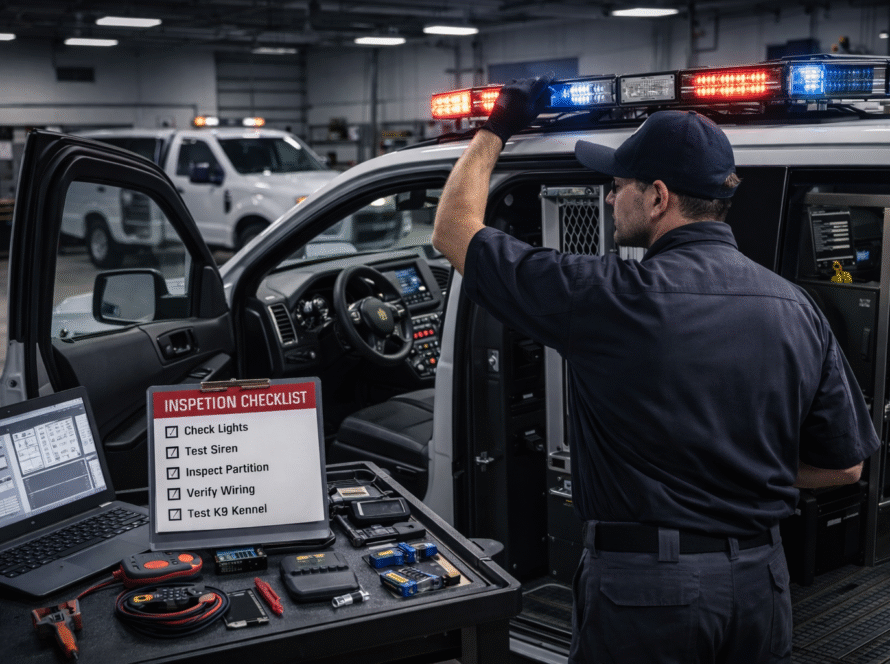
Emergency lighting pickup trucks are widely used by first responders, utility companies, and fleet operators who rely on visibility and safety on the road. Choosing the right emergency lighting setup depends heavily on the type of vehicle being used. Pickup trucks and SUVs are both popular for service fleets, but their lighting configurations differ due to vehicle structure, mounting options, and operational needs.
Understanding how emergency lighting works on pickup trucks compared to SUVs can help fleet managers select the most effective setup for their vehicles.
Why Emergency Vehicle Lighting Matters
Emergency lighting plays a critical role in safety and visibility for vehicles that operate in roadside assistance, security patrols, construction zones, and emergency response. High-quality lighting systems ensure that vehicles remain visible in low-light conditions, busy traffic areas, and hazardous work environments.
Proper placement of warning lights, light bars, and directional signals allows other drivers to quickly recognize a service vehicle and adjust their driving accordingly. This is why many fleet operators consult professional installers when designing their fleet lighting layouts to ensure maximum coverage and compliance with safety standards.
Both pickup trucks and SUVs offer unique advantages when it comes to mounting emergency lighting equipment.
Emergency Lighting Setup for Pickup Trucks
Pickup trucks are one of the most common vehicles used for emergency service fleets. Their open bed and sturdy frame allow for flexible installation of lighting equipment.
1. Roof Light Bars
Roof-mounted light bars are the most visible lighting option for pickup trucks. Because pickups typically have a flatter roofline, light bars can be installed easily without obstructing airflow or vehicle balance.
These light bars provide:
-
360-degree visibility
-
High brightness levels
-
Multiple flash patterns
-
Directional traffic signals
Roof light bars are ideal for roadside service vehicles, law enforcement units, and utility crews.
2. Bed-Mounted Lighting
One advantage pickup trucks have over SUVs is the truck bed. The rear bed area allows additional lighting modules to be installed on racks, toolboxes, or headache racks.
This setup provides:
-
Rear-facing warning lights
-
Work lights for nighttime operations
-
Elevated lighting positions for improved visibility
Bed-mounted lighting is particularly useful for roadside assistance trucks and maintenance vehicles.
3. Grille and Bumper Lights
Pickup trucks often feature large front grilles and bumpers, creating space for compact LED modules. These lights help improve forward visibility and provide warning signals to oncoming traffic.
Front-mounted LEDs are commonly used in:
-
Security patrol vehicles
-
Fire response trucks
-
Highway service fleets
Emergency Lighting Setup for SUVs
SUVs are also widely used for emergency fleets, particularly by law enforcement, medical response teams, and security services. Their enclosed structure changes how lighting is installed compared to pickup trucks.
1. Interior Windshield Lighting
Unlike pickup trucks, SUVs often use interior-mounted lights placed behind the windshield. These lights provide forward warning signals without requiring external mounting hardware.
Benefits include:
-
Reduced wind resistance
-
Cleaner vehicle appearance
-
Protection from weather damage
This setup is common in law enforcement vehicles and unmarked fleet units.
2. Rear Hatch Lighting
SUVs have large rear windows and hatch doors, which make them ideal for rear interior lighting installations. LED modules can be mounted inside the rear window to provide strong warning signals to traffic approaching from behind.
This type of lighting works well for:
-
Emergency response vehicles
-
Security patrol units
-
Medical transport fleets
3. Roof Rack Lighting
Many SUVs include roof racks or roof rails that can support light bars or additional LED modules. This allows SUVs to maintain strong visibility even without external truck-bed mounting options.
Roof rack lighting offers:
-
Elevated light placement
-
Wide visibility range
-
Additional space for equipment
Pickup Trucks vs SUVs: Key Differences
While both vehicles can support effective emergency lighting systems, their configurations differ in several important ways.
Installation Flexibility
Pickup trucks provide more mounting flexibility because of their open bed and external rack options. SUVs rely more on roof mounts and interior lighting systems.
Visibility Angles
Pickup trucks can achieve strong rear visibility through bed-mounted lights, while SUVs depend on rear window or hatch lighting.
Equipment Capacity
Pickup trucks typically carry more equipment, tools, and lighting hardware due to their larger cargo area. SUVs prioritize enclosed storage and interior installations.
Appearance and Discretion
SUVs are often preferred for fleets that require a lower-profile or unmarked appearance. Interior lighting setups allow warning lights to remain less visible when not in use.
Choosing the Right Lighting System for Your Fleet
Selecting between pickup truck lighting and SUV lighting depends on your operational needs. Companies that perform roadside repairs or construction work often prefer pickup trucks due to their equipment capacity and flexible mounting options.
On the other hand, security patrols, medical response teams, and law enforcement agencies may favor SUVs because of their enclosed space and discreet lighting installations.
Working with professional upfitting specialists ensures that lighting systems are installed safely and positioned for maximum effectiveness.
Professional Emergency Lighting Installation
Emergency lighting systems must be installed correctly to function reliably and meet safety standards. Poor installation can lead to electrical issues, reduced visibility, or equipment failure.
Professional fleet upfitting services ensure that:
-
Lighting is positioned for maximum coverage
-
Electrical systems are properly integrated
-
Equipment meets industry standards
-
Vehicles remain compliant with local regulations
Whether you’re equipping pickup trucks or SUVs, a professionally designed system ensures reliable performance in real-world working conditions.
Final Thoughts
Emergency lighting is essential for service vehicles that operate in demanding environments. Pickup trucks and SUVs both provide strong platforms for lighting installations, but their designs influence how those systems are mounted and used.
If you’re looking to upgrade or install professional emergency lighting pickup trucks systems, working with experienced fleet upfitters makes all the difference. The experts at OCM Upfitting can design and install customized lighting systems tailored to your vehicles and operational requirements.
? Ready to equip your fleet with reliable emergency lighting? Call 195-476-48117 today or book your appointment with OCM Upfitting to get a professional lighting solution that keeps your vehicles visible and safe on the road.