The Right Safety Equipment Helps Prevent Accidents, Reduce Downtime, and Protect Your Fleet
Fleet safety equipment helps prevent accidents, reduce downtime, and protect both drivers and vehicles. Camera systems, backup alarms, warning lights, GPS tracking, and blind-spot monitoring help improve visibility, increase accountability, and reduce costly incidents before they happen.
For contractors, service companies, utility providers, municipalities, and commercial fleet operators, investing in the right safety equipment is one of the smartest ways to improve both safety and productivity. This guide covers the most important fleet safety upgrades and how professional installation helps keep crews working efficiently.
Common Fleet Safety Challenges We See in Oklahoma
Many fleet operators face the same safety concerns every day.
Common challenges include:
- Backing accidents on job sites
- Limited visibility around work trucks and vans
- Distracted driving incidents
- Equipment shifting during transport
- Roadside work zone hazards
- Poor visibility during low-light conditions
These issues often lead to vehicle damage, insurance claims, project delays, and unnecessary downtime.
The good news is that many of these risks can be reduced with the right safety equipment and professional vehicle upfitting.
Vehicle Camera Systems Improve Driver Visibility
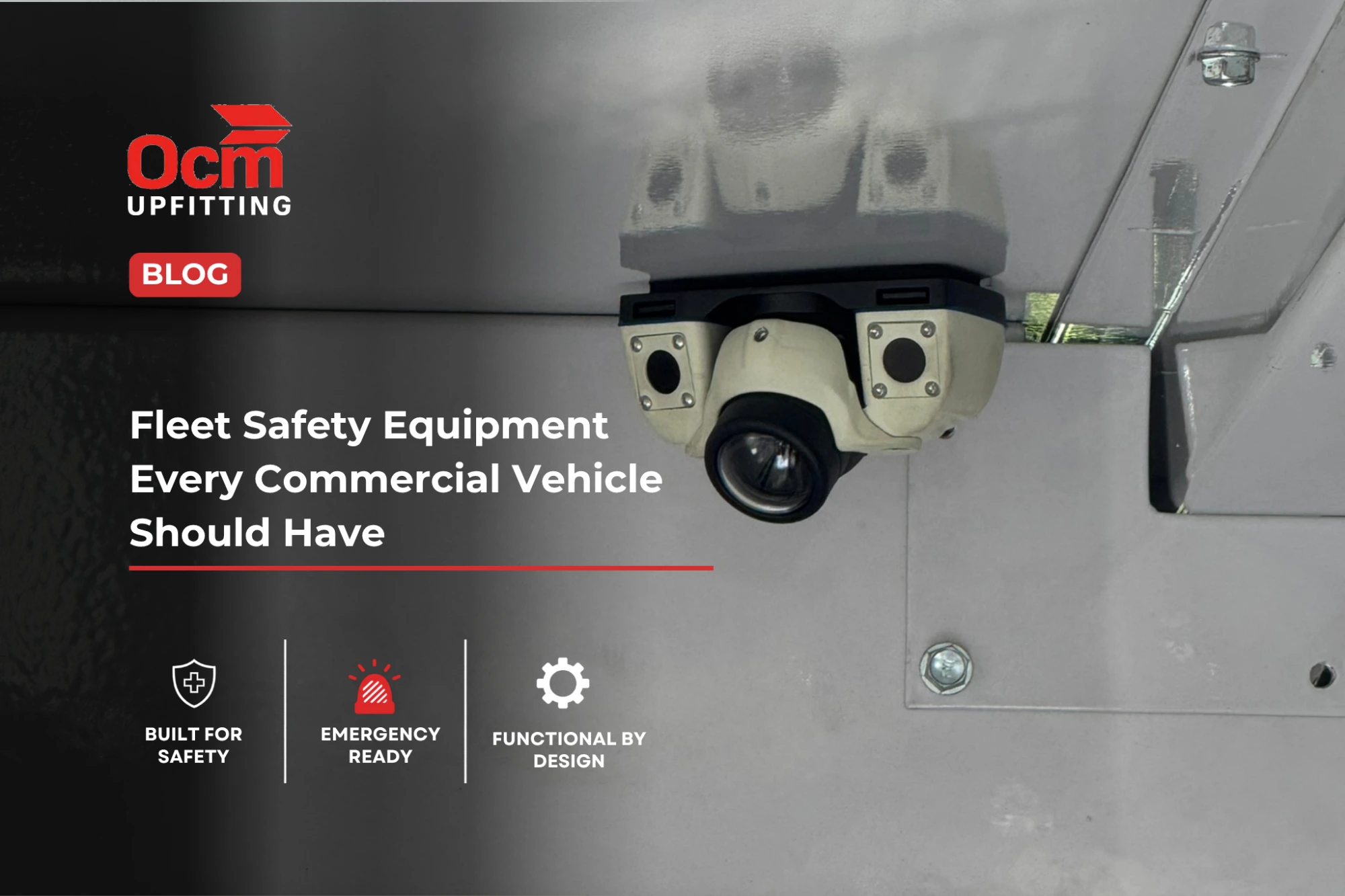
Camera systems are one of the most valuable safety upgrades available for commercial vehicles.
Benefits include:
- Improved driver visibility
- Reduced blind spots
- Incident documentation
- Driver coaching opportunities
- Increased accountability
Modern systems may include:
- Dash cameras
- Rear-view cameras
- Side-view cameras
- 360-degree camera systems
For businesses operating service vans, work trucks, and utility vehicles, camera systems provide an additional layer of protection during daily operations.
Businesses planning broader vehicle upgrades should also explore:
Custom Vehicle Upfitting for Fleet Efficiency and Safety
Ready to Improve Driver Visibility?
Contact OCM Upfitting to discuss camera systems designed for your fleet.
Backup Alarms Help Prevent Reverse Accidents
Backing accidents remain one of the most common causes of fleet damage.
Backup warning systems help protect:
- Employees
- Pedestrians
- Equipment
- Customer property
- Vehicles
Popular solutions include:
- Audible backup alarms
- Broadband backup alarms
- Voice warning systems
- Camera-assisted reverse systems
When paired with rear-view cameras, backup alarms provide additional protection in busy work environments.
According to OSHA, preventing back injuries remains an important workplace safety priority:
Warning Lights Improve Vehicle Visibility
Warning lights help improve visibility around vehicles operating in active work environments.
Common applications include:
- Utility fleets
- Construction vehicles
- Municipal vehicles
- HVAC service vans
- Plumbing service trucks
- Roadside service fleets
Popular warning light upgrades include:
- LED light bars
- Beacon lights
- Strobe lights
- Directional warning systems
These systems help improve safety during roadside work, low-light conditions, and active job sites.
Need Better Protection for Your Fleet?
Professional installation helps ensure warning lights are positioned correctly and perform reliably in the field.
https://ocmupfitting.com/contact/
GPS Tracking Systems Improve Fleet Accountability
GPS tracking systems provide real-time visibility into fleet operations.
Benefits include:
- Vehicle tracking
- Route optimization
- Driver accountability
- Speed monitoring
- Improved dispatching
For service-based businesses, GPS tracking can help improve efficiency while identifying opportunities to reduce unnecessary mileage and unsafe driving behaviors.
Blind-Spot Detection Systems Reduce Collision Risks
Commercial vehicles often have larger blind spots than passenger vehicles.
Blind-spot monitoring systems help drivers identify:
- Nearby vehicles
- Pedestrians
- Cyclists
- Equipment
- Job-site obstacles
When combined with mirrors and camera systems, blind-spot detection helps create a safer operating environment for both drivers and surrounding traffic.
Recommended Image:
Commercial van equipped with blind-spot monitoring technology.
Additional Fleet Safety Equipment Worth Considering
Tire Pressure Monitoring Systems
Benefits include:
- Reduced tire wear
- Improved fuel efficiency
- Fewer roadside breakdowns
- Increased vehicle reliability
Emergency Safety Kits
Every commercial vehicle should carry:
- First aid kits
- Reflective triangles
- Fire extinguishers
- Safety vests
- Flashlights
These simple tools can make a significant difference during roadside emergencies.
Safety Equipment Supports Productivity Too
Fleet safety upgrades do more than reduce accidents.
They also help improve daily operations.
Benefits include:
- Reduced downtime
- Faster incident response
- Improved technician productivity
- Better vehicle utilization
- Lower operating costs
For contractors and service companies, keeping vehicles on the road means keeping revenue moving.
Businesses operating HVAC fleets can learn more about improving organization, safety, and efficiency through:
HVAC Work Truck Upfitting Near You
Why Oklahoma Businesses Choose OCM Upfitting
OCM Upfitting helps contractors, municipalities, utility providers, and commercial fleet operators build safer, more productive vehicles.
Our solutions include:
- Fleet safety equipment installation
- Camera systems
- Warning lights
- Cargo management solutions
- Vehicle storage systems
- Complete commercial vehicle upfitting
Every installation is designed to improve safety, organization, and productivity.
Explore OCM’s complete:
Custom Vehicle Upfitting Solutions
Businesses operating specialized law-enforcement fleets may also find value in:
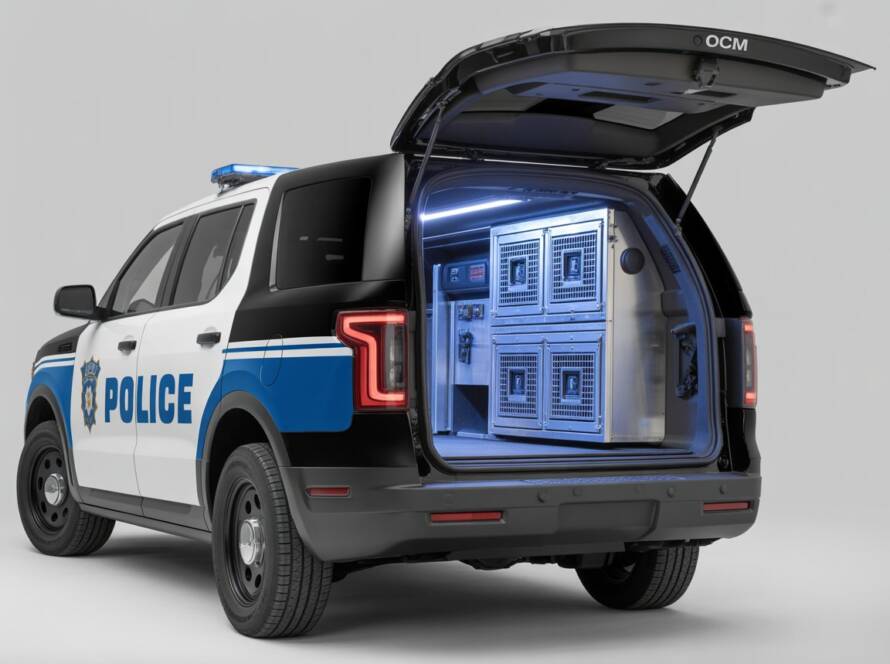
Best Practices for K9 Unit Vehicle Modifications
For additional fleet safety information:
NTEA – The Work Truck Association
Federal Motor Carrier Safety Administration
Safety Equipment Works Best as Part of a Complete Upfitting Strategy
The most effective fleets do not treat safety equipment as a standalone upgrade.
Camera systems, warning lights, backup alarms, cargo management solutions, storage systems, and vehicle organization work together to create safer and more productive vehicles.
When integrated correctly, these upgrades help businesses:
- Reduce downtime
- Improve driver safety
- Protect equipment
- Increase technician efficiency
- Extend vehicle lifespan
That is why many Oklahoma businesses combine fleet safety upgrades with professional vehicle upfitting solutions.
Build a Safer Fleet With OCM Upfitting
Investing in fleet safety equipment is one of the most effective ways to protect drivers, reduce downtime, and improve operational efficiency.
Whether you operate service vans, work trucks, utility vehicles, or municipal fleets, OCM Upfitting can help you identify the right safety upgrades for your operation.
Need Help Choosing the Right Safety Equipment for Your Fleet?
Contact OCM Upfitting to discuss camera systems, warning lights, GPS tracking, and custom vehicle safety solutions designed around your operation.
Frequently Asked Questions
What safety equipment should every commercial vehicle have?
Most commercial vehicles should have camera systems, backup alarms, warning lights, GPS tracking, and emergency safety kits.
Do backup alarms help prevent accidents?
Yes. Backup alarms increase awareness around reversing vehicles and help reduce backing-related incidents.
Is GPS tracking worth it for small fleets?
Yes. GPS tracking improves accountability, route efficiency, and fleet visibility regardless of fleet size.
Why choose professional safety equipment installation?
Professional installation helps ensure safety equipment is mounted correctly, functions reliably, and integrates properly with the vehicle.