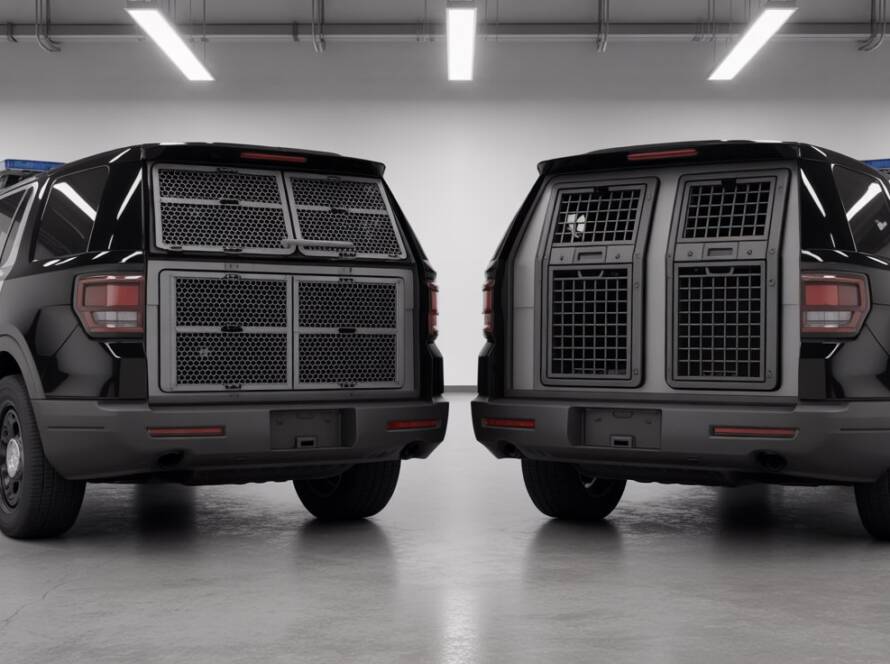
Why a Fleet Upfitting Specification Should Be Your First Step
Before ordering new fleet vehicles, organizations should develop a detailed Fleet Upfitting Specification that outlines operational requirements, equipment needs, safety standards, and future growth considerations. This process helps fleet managers avoid costly mistakes, improve vehicle performance, and ensure every vehicle is properly configured before it arrives. Whether you’re managing a utility fleet, school district transportation department, contractor fleet, or law enforcement agency, proper planning directly impacts productivity, compliance, and long-term operating costs.
Many organizations in Fort Lauderdale, throughout South Florida, and across the United States focus on vehicle pricing before defining how the vehicle will actually be used. This often leads to payload limitations, insufficient electrical capacity, poor storage layouts, and expensive modifications after delivery. A well-developed Fleet Upfitting Specification ensures your vehicle supports your mission from day one while streamlining fleet vehicle procurement and reducing lifecycle expenses.
Why Specifications Should Come Before Vehicle Orders
The most successful fleet programs begin with planning rather than purchasing.
A detailed Fleet Upfitting Specification helps decision-makers define:
- Vehicle class requirements
- Payload capacity needs
- Storage solutions
- Safety equipment requirements
- Electrical demands
- Technology integrations
- Future expansion plans
Developing fleet upfitting specifications before ordering allows procurement teams to compare bids accurately while ensuring vehicles are equipped to perform their intended functions.
For example, a utility company operating throughout South Florida may require service bodies, ladder racks, telematics systems, and specialized storage compartments. If those requirements are identified after the vehicle order is placed, significant modifications and delays can occur.
Organizations that prioritize vehicle upfit planning typically experience lower installation costs, fewer change orders, and faster vehicle deployment.
Fleet professionals can also review resources from the NAFA Fleet Management Association for fleet planning best practices.
Common Mistakes Agencies Make
Choosing Vehicles Before Defining Equipment Requirements
One of the most common mistakes is selecting a vehicle platform before identifying operational needs.
Once equipment such as shelving, communication devices, warning lights, partitions, and tool storage systems are installed, payload limitations often become apparent.
Creating Multiple Fleet Standards
When departments independently purchase vehicles and equipment, organizations often end up with inconsistent fleet vehicle configuration standards.
This creates:
- Additional training requirements
- Higher maintenance costs
- Larger parts inventories
- Procurement inefficiencies
Failing to Plan for Growth
Many agencies only consider immediate operational needs.
However, future staffing increases, technology upgrades, and service expansion should all influence fleet upfitting specifications.
GVWR Considerations
Gross Vehicle Weight Rating (GVWR) is one of the most important factors in commercial vehicle upfitting.
Every component added to a vehicle affects available payload capacity, including:
- Shelving systems
- Tool storage
- Warning lights
- Safety equipment
- Power systems
- Communication equipment
A contractor serving Fort Lauderdale and surrounding areas may purchase a vehicle that appears sufficient on paper but exceeds its payload capacity once equipment is installed.
Effective vehicle upfit planning requires calculating:
- Vehicle curb weight
- Equipment weight
- Cargo requirements
- Passenger weight
- Future equipment additions
Failure to account for GVWR can result in compliance issues, reduced vehicle lifespan, and increased maintenance costs.
The National Highway Traffic Safety Administration provides guidance regarding vehicle safety and weight-related considerations.
Electrical Load Planning
Modern fleet vehicles rely heavily on electrical systems.
Today’s fleets often require:
- GPS tracking
- Dash cameras
- Mobile computers
- Emergency lighting
- Radios
- Telematics systems
- Charging stations
Without proper planning, organizations may experience:
- Alternator overload
- Battery failures
- Equipment malfunctions
- Increased downtime
Every Fleet Upfitting Specification should include a detailed electrical load analysis before vehicles are ordered.
Law enforcement agencies and municipalities frequently underestimate future power demands, resulting in costly retrofits later.
Ready to Build the Right Fleet from Day One?
If you’re currently evaluating new fleet purchases, now is the ideal time to develop your specifications.
OCM Upfitting helps organizations nationwide create customized fleet plans that improve efficiency and reduce long-term costs. Explore our vehicle upfitting services to learn how we support fleet planning, installation, and customization.
Storage Requirements
Storage directly impacts employee productivity.
Poorly designed storage systems often result in:
- Lost tools
- Damaged equipment
- Longer service times
- Reduced efficiency
An effective Fleet Upfitting Specification should define:
- Shelving requirements
- Cargo management systems
- Equipment accessibility
- Security needs
- Inventory organization
Organizations seeking better workflow efficiency can review OCM Upfitting’s guide to van upfitting services that improve productivity.
For contractor fleets, our article on service body upfitting for fleet efficiency provides additional insights into maximizing vehicle organization.
Safety Equipment Requirements
Safety should be built into every specification from the beginning.
Depending on fleet type, safety equipment may include:
- Backup cameras
- Warning lights
- Reflective graphics
- Safety partitions
- Fire extinguishers
- First-aid kits
- Driver assistance technologies
Municipalities, utility fleets, and school districts must ensure safety requirements are addressed before vehicle procurement begins.
The Federal Motor Carrier Safety Administration offers valuable safety resources for fleet operators nationwide.
Technology Integrations
Fleet technology continues to evolve rapidly.
Modern vehicles often require integration with:
- GPS systems
- Fleet management software
- Telematics platforms
- Dash cameras
- Mobile workstations
- Wireless communication systems
Organizations should ensure technology requirements are included during fleet vehicle procurement to avoid installation challenges later.
The GSA Fleet Program provides additional information regarding fleet lifecycle management and technology planning.
Future Growth Planning
A vehicle ordered today may remain in service for ten years or more.
That means specifications should support future growth.
Decision-makers should ask:
- Will staffing increase?
- Will service territories expand?
- Will new technology be added?
- Will equipment requirements change?
A utility fleet operating in Fort Lauderdale today may require significantly different capabilities five years from now.
Future-proofing your fleet vehicle configuration helps avoid expensive retrofits and replacement costs.
Organizations planning fleet expansion may also benefit from OCM Upfitting’s custom vehicle upfitting solutions for scalable fleet design.
Sample Fleet Specification Worksheet
Before ordering vehicles, document the following:
Vehicle Information
- Vehicle class
- GVWR requirements
- Payload requirements
Equipment Requirements
- Storage systems
- Safety equipment
- Communications equipment
- Technology integrations
Electrical Requirements
- Current power needs
- Future capacity requirements
- Auxiliary power systems
Operational Requirements
- Service territory
- Employee usage
- Cargo requirements
Future Planning
- Expansion goals
- Technology upgrades
- Additional equipment needs
A standardized worksheet improves consistency and simplifies future vehicle purchases.
Build Smarter Fleets Before You Place the Order
The most successful fleet programs begin with planning, not purchasing. A detailed Fleet Upfitting Specification helps organizations reduce risk, improve productivity, streamline procurement, and maximize vehicle performance throughout the vehicle lifecycle.
Whether you’re managing municipal vehicles in Fort Lauderdale, contractor fleets across South Florida, or utility vehicles nationwide, proper specification development creates measurable operational and financial benefits.
Get Expert Fleet Planning Support from OCM Upfitting
Don’t wait until your vehicles arrive to discover costly design issues. OCM Upfitting specializes in fleet planning, vehicle customization, work truck equipment installation, storage solutions, and fleet upfitting services designed to help organizations maximize performance from day one.
Visit OCM Upfitting, explore our fleet upfitting services, or call +1 954-764-8117 to request a quote and start building a smarter fleet today.
FAQ
1. What is a Fleet Upfitting Specification?
A Fleet Upfitting Specification is a document that outlines vehicle requirements, equipment needs, safety systems, electrical demands, storage solutions, and future planning considerations before ordering fleet vehicles.
2. Why should specifications be created before purchasing vehicles?
Creating specifications first helps prevent payload issues, equipment conflicts, electrical limitations, and costly modifications after delivery.
3. What should be included in fleet upfitting specifications?
Key components include GVWR calculations, storage requirements, safety equipment, technology integrations, electrical load planning, and future growth projections.
4. How does vehicle upfit planning reduce costs?
Vehicle upfit planning improves procurement accuracy, minimizes change orders, reduces downtime, supports maintenance efficiency, and helps avoid expensive retrofits.