Why Fleet Upfitting Standards Matter for Modern Fleet Operations
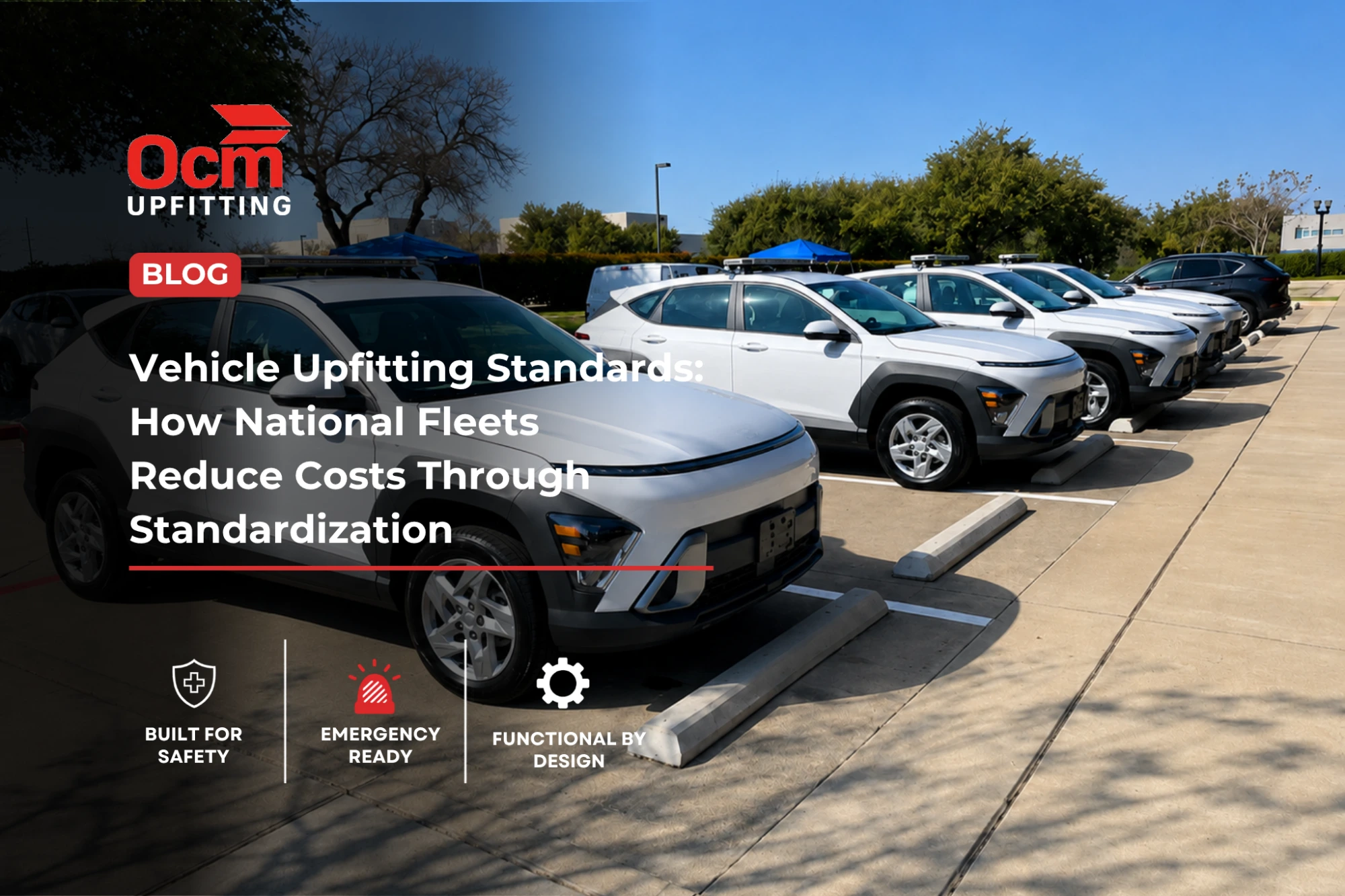
National fleets reduce costs through standardization by creating consistent vehicle configurations across their organization. Instead of equipping each vehicle differently, they establish fleet upfitting standards that define approved equipment, installation methods, safety systems, storage layouts, and operational requirements. This consistency helps reduce maintenance complexity, improve employee training, streamline procurement, and lower long-term operating costs.
As fleets grow, inconsistent vehicle builds often create unnecessary expenses through increased downtime, larger parts inventories, longer training periods, and inefficient replacement planning. Organizations that invest in custom vehicle upfitting often discover that standardized vehicle packages improve productivity while making fleet management more scalable and cost-effective.
What Are Fleet Upfitting Standards?
Fleet upfitting standards are documented guidelines that define how vehicles should be equipped and configured across an organization. These standards establish approved equipment, installation procedures, safety requirements, storage systems, and operational layouts.
Common standardized components include:
- Vehicle storage systems
- Safety equipment
- Communication systems
- Emergency lighting
- Power management systems
- Vehicle graphics
- Specialized work equipment
Rather than treating every vehicle as a unique project, organizations develop repeatable configurations that can be consistently applied across vehicle classes and departments.
Many fleet professionals rely on guidance from the NAFA Fleet Management Association when developing policies that improve fleet efficiency and reduce operating costs.
Why Mixed Vehicle Configurations Create Problems
Many organizations develop fleets over time without a formal standardization strategy. Different departments may purchase vehicles independently, resulting in inconsistent equipment packages and layouts.
Operational Inefficiencies
When employees move between vehicles with different configurations, they must adapt to varying storage systems, controls, and operating procedures. This can reduce productivity and increase the likelihood of mistakes.
For example, technicians working from differently equipped service vehicles may spend valuable time locating tools and equipment. Across an entire fleet, these small inefficiencies can significantly impact productivity.
Increased Maintenance Complexity
Mixed fleets often require maintenance teams to support multiple equipment brands and installation methods. This can lead to:
- Larger parts inventories
- Increased technician training
- Longer repair times
- Higher maintenance costs
Procurement Challenges
Without documented fleet vehicle specifications, procurement teams often spend unnecessary time evaluating equipment options for each new vehicle purchase. Standardization simplifies decision-making and creates a more predictable purchasing process.
Training Benefits of Fleet Vehicle Standardization
One of the fastest returns on investment from fleet upfitting standards comes through improved training and operational consistency.
Faster Employee Onboarding
When vehicles are configured similarly, employees learn how to operate them more quickly. Operators know where equipment is stored, how systems function, and which procedures to follow.
This consistency helps reduce training requirements and allows new employees to become productive faster.
Reduced Operator Errors
Standardized layouts improve familiarity and confidence. Employees can perform tasks more efficiently when equipment locations and vehicle systems remain consistent across the fleet.
Greater Workforce Flexibility
Organizations often move employees between vehicles and departments. Standardized configurations make these transitions easier because operators do not need to relearn equipment layouts each time they switch vehicles.
Businesses that utilize van upfitting services frequently discover that standardized shelving systems and storage layouts improve efficiency across their workforce.
Maintenance and Lifecycle Cost Advantages
Maintenance departments often experience some of the most significant benefits from fleet standardization.
Simplified Repairs
When technicians work on identical vehicle configurations, diagnosing and repairing issues becomes more efficient. Familiarity with wiring systems, storage solutions, and installed equipment often reduces downtime and improves productivity.
Reduced Parts Inventory
Standardized equipment allows organizations to stock fewer replacement parts. This helps reduce inventory costs, simplify ordering processes, and minimize delays caused by unavailable components.
Lower Lifecycle Costs
Predictable vehicle configurations make it easier to forecast maintenance expenses and manage vehicle lifecycles effectively. According to Government Fleet, fleet standardization remains one of the most effective methods for reducing operating expenses and improving asset utilization.
Contractors and service organizations often achieve additional efficiency gains through service body upfitting for fleet efficiency, which supports consistency across work vehicles.
How Standardization Improves Vehicle Replacement Planning
Fleet replacement planning becomes much easier when standards are already established.
Faster Deployment
Organizations can replicate successful vehicle packages instead of redesigning each replacement vehicle from scratch. This reduces planning time, procurement delays, and installation inconsistencies.
Predictable Budgeting
Standardized vehicle packages create more predictable costs, allowing fleet managers to develop accurate long-term budgets and replacement schedules.
Easier Fleet Expansion
As organizations grow, standardized vehicle configurations simplify expansion efforts by providing repeatable specifications that can be deployed efficiently.
Organizations managing growing fleets can benefit from strategies outlined in our Fleet Van Upfitting Guide, which highlights how standardized packages support efficient fleet growth and replacement planning.
How National Fleets Build Effective Upfitting Standards
Successful organizations follow a structured process when developing fleet upfitting standards.
Assess Operational Requirements
The process begins by evaluating:
- Vehicle usage requirements
- Employee workflows
- Safety concerns
- Regulatory requirements
- Operational challenges
Analyze Fleet Performance
Reviewing maintenance records, downtime reports, equipment failures, and employee feedback helps identify opportunities to improve vehicle configurations and eliminate unnecessary variations.
Select Standard Equipment Platforms
Most organizations standardize:
- Storage systems
- Lighting systems
- Communication equipment
- Safety equipment
- Electrical systems
Document Standards
A comprehensive fleet standard should include approved equipment lists, installation procedures, inspection requirements, and maintenance guidelines to ensure consistency across the fleet.
Resources from the American Public Works Association can help organizations develop operational standards that support long-term fleet performance.
Fleet Upfitting Best Practices
Organizations seeking the greatest return from fleet vehicle standardization should:
- Involve stakeholders early
- Prioritize operational needs
- Standardize wherever practical
- Review standards annually
- Evaluate new technologies regularly
- Partner with experienced upfitting professionals
These practices help organizations reduce operating costs, improve reliability, and support long-term fleet growth.
Procurement Benefits of Fleet Standardization
Procurement departments often realize significant savings when standardized vehicle specifications are in place. Consistent equipment selections help simplify purchasing decisions, improve vendor relationships, and create opportunities for volume purchasing.
The Federal Fleet Management Program provides valuable guidance on procurement strategies and lifecycle planning used by government fleets and large organizations across the country.
Why Partner with OCM Upfitting?
Developing effective fleet upfitting standards requires more than selecting equipment. Organizations need a partner that understands vehicle operations, maintenance requirements, safety considerations, and long-term fleet performance.
OCM Upfitting works with contractors, utility providers, municipalities, service organizations, and commercial fleets to develop repeatable vehicle configurations that improve consistency and operational efficiency. Through our comprehensive vehicle upfitting solutions, we help organizations evaluate existing fleet builds, develop vehicle specifications, and implement standardized strategies that support long-term growth.
Building a More Efficient and Scalable Fleet
Fleet upfitting standards help organizations reduce costs, simplify maintenance, improve training, and create more efficient vehicle operations. By standardizing vehicle specifications across the fleet, organizations can improve consistency, reduce downtime, and better support future growth. If you’re looking to develop a fleet standardization strategy, contact OCM Upfitting today to schedule a consultation and learn how we can help optimize your fleet for long-term performance. Agencies operating specialized public safety vehicles may also benefit from reviewing our guide on best practices for K-9 unit vehicle modifications.
Frequently Asked Questions About Fleet Upfitting Standards
What are fleet upfitting standards?
Fleet upfitting standards are documented guidelines that define how vehicles should be equipped, configured, and maintained across an organization. These standards create consistency in vehicle layouts, equipment selection, safety systems, and installation practices while helping reduce operating costs.
What equipment should be standardized across a fleet?
Most organizations standardize storage systems, lighting, safety equipment, communication systems, electrical components, and specialized work equipment. Standardizing these systems simplifies maintenance, procurement, employee training, and future vehicle replacements.
Can small fleets benefit from fleet vehicle standardization?
Yes. While standardization is often associated with large fleets, smaller organizations can also benefit. Even fleets with a limited number of vehicles can improve efficiency, reduce maintenance complexity, and simplify future vehicle purchases through consistent specifications.
How often should fleet upfitting standards be reviewed?
Most organizations should review their fleet standards annually. Regular reviews help ensure equipment selections, safety requirements, and operational needs continue to align with business goals and technological advancements.