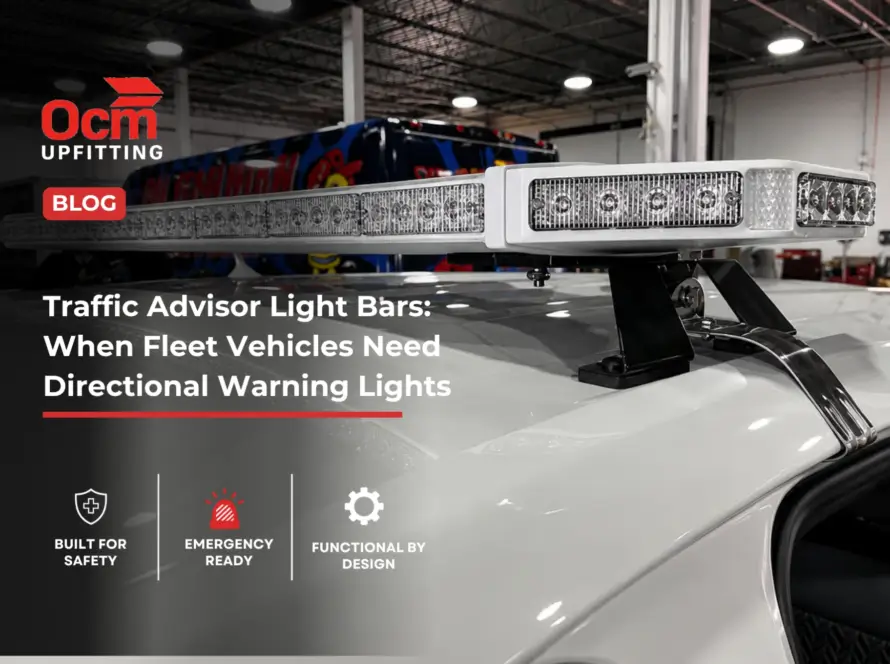
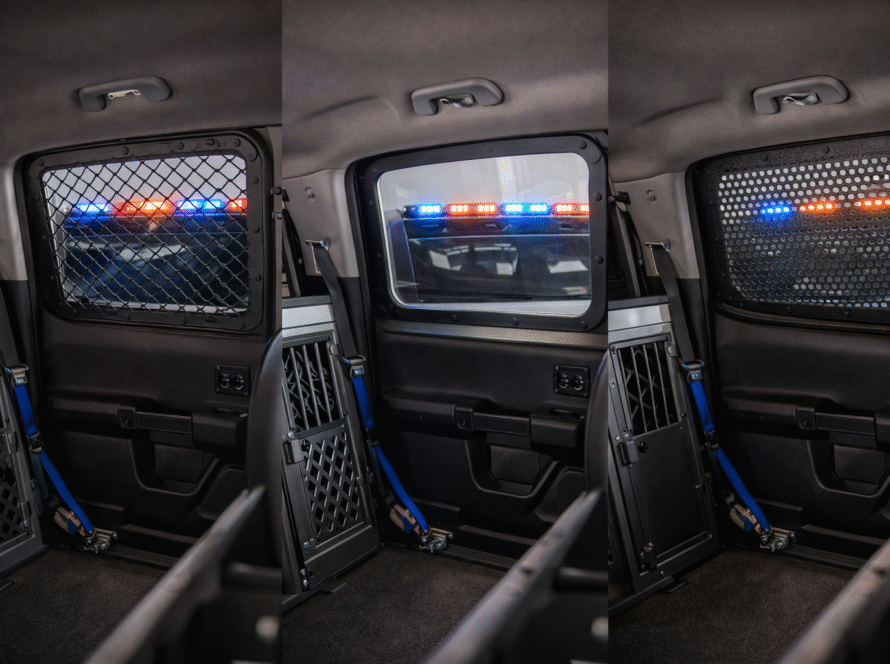
Light bar lens colors play a critical role in emergency response. The colors displayed on emergency vehicles are not chosen randomly; they are carefully selected to ensure visibility, authority recognition, and rapid public reaction.
Across the United States, different light bar colors communicate specific meanings to drivers and pedestrians. These colors influence how quickly people recognize an emergency situation and respond appropriately. When emergency lighting is designed and installed correctly, it improves roadway safety, reduces response times, and strengthens public trust in emergency services.
Emergency vehicles rely heavily on lighting systems to gain attention in traffic. Police, fire departments, ambulances, tow trucks, and construction safety vehicles each use particular light bar configurations. For organizations considering professional emergency light bars installation, understanding how lens colors affect driver perception is essential for choosing the right setup.
Why Light Bar Lens Colors Matter
Emergency lighting must perform one primary function: attract attention instantly. In high-stress situations, drivers only have a few seconds to process visual information and react.
Different colors trigger different psychological responses. Bright, flashing lights cut through traffic distractions, but the color itself tells drivers what type of emergency vehicle they are encountering.
For example:
-
Red lights often signal urgency and danger
-
Blue lights represent law enforcement authority
-
Amber lights warn drivers to slow down and proceed cautiously
-
White lights increase visibility and illumination
When these colors are used correctly, they help drivers identify the situation immediately and adjust their behavior on the road.
Common Light Bar Lens Colors Used in the United States
Emergency lighting standards in the U.S. vary slightly by state, but several colors are widely recognized nationwide.
Red Light Bars
Red is the most traditional emergency light color in the United States. Fire trucks, ambulances, and some police vehicles use red lighting to signal urgent situations.
Red light bars are extremely visible at night and in poor weather conditions. Because red is associated with danger and stop signals, drivers instinctively slow down or move aside when they see flashing red lights.
Fire departments especially rely on red lights to clear traffic quickly during emergency responses.
Blue Light Bars
Blue lights are strongly associated with police vehicles across most U.S. states. When drivers see flashing blue lights, they immediately recognize law enforcement presence.
This color creates a strong psychological authority signal. Drivers understand that they must pull over or yield to the approaching vehicle.
Blue lights are particularly effective at night because the color stands out sharply against dark surroundings.
Amber Light Bars
Amber or yellow light bars are typically used by service vehicles that are not responding to life-threatening emergencies.
Common users include:
-
Tow trucks
-
Utility vehicles
-
Construction vehicles
-
Road maintenance crews
-
Security patrol vehicles
Amber lights act as a warning rather than a command. They tell drivers to slow down, proceed carefully, and remain aware of roadside activity.
Because these vehicles frequently operate near traffic lanes, amber lighting is essential for worker safety.
White Light Bars
White lighting is often used alongside other colors to improve illumination and visibility. While white lights alone rarely indicate emergency authority, they help increase brightness and extend visibility distance.
Many emergency vehicles combine white strobes with red or blue lights to enhance attention during both day and night operations.
The Psychology Behind Color Recognition
Human brains process color faster than text or symbols. In emergency situations, drivers rely heavily on color recognition to understand what is happening around them.
Studies in traffic safety show that color-coded signals significantly reduce reaction time. When drivers see flashing blue or red lights, they immediately associate them with emergency vehicles without needing to analyze the situation.
This psychological response is critical in fast-moving traffic environments where every second matters.
The consistent use of specific colors across emergency fleets reinforces public familiarity and trust.
Visibility and Safety Considerations
The effectiveness of light bar lens colors also depends on environmental conditions.
Factors such as:
-
Daylight brightness
-
Fog and rain
-
Urban lighting
-
Highway speeds
-
Traffic density
all influence how visible emergency lights appear to drivers.
For instance, blue lights perform well at night, while red lights remain highly visible during daylight. Amber lights are particularly effective for warning drivers in construction zones and roadside work areas.
Proper placement, brightness levels, and flash patterns also play a major role in ensuring maximum visibility.
Compliance With State Regulations
Emergency lighting systems must follow state regulations. Many states restrict which colors certain vehicle types can display.
For example:
-
Police vehicles typically use blue or blue/red combinations
-
Fire and EMS vehicles commonly use red lighting
-
Service vehicles use amber warning lights
Businesses operating fleet vehicles should ensure their lighting systems comply with local transportation laws.
Professional upfitting services can help vehicle owners select compliant light bar configurations that meet safety and legal requirements.
Why Professional Installation Matters
Even the best emergency lighting equipment will not perform effectively if it is installed incorrectly.
Improper wiring, poor mounting, or weak electrical connections can reduce brightness, cause system failures, or shorten equipment lifespan.
Professional installers understand how to:
-
Position light bars for maximum visibility
-
Integrate lighting systems with vehicle electrical components
-
Ensure compliance with state regulations
-
Optimize flash patterns for traffic conditions
Proper installation ensures emergency lighting systems function reliably when they are needed most.
The Future of Emergency Lighting Technology
Modern emergency light bars continue to evolve with advanced LED technology.
Today’s lighting systems offer:
-
Higher brightness with lower power consumption
-
Programmable flash patterns
-
Improved durability
-
Longer lifespan
-
Enhanced daytime visibility
These improvements make emergency response vehicles more noticeable and help reduce roadway accidents involving emergency crews.
As technology advances, the role of light bar lens colors will remain central to how drivers interpret and respond to emergency situations.
Conclusion
Light bar lens colors are far more than simple design choices. They serve as powerful communication tools between emergency responders and the public.
By using standardized color signals, emergency vehicles can quickly alert drivers, improve reaction times, and maintain safer roads. From red fire truck lights to blue police signals and amber roadside warnings, each color carries a clear message.
When combined with professional installation and modern LED technology, emergency lighting systems significantly improve both response efficiency and public safety.