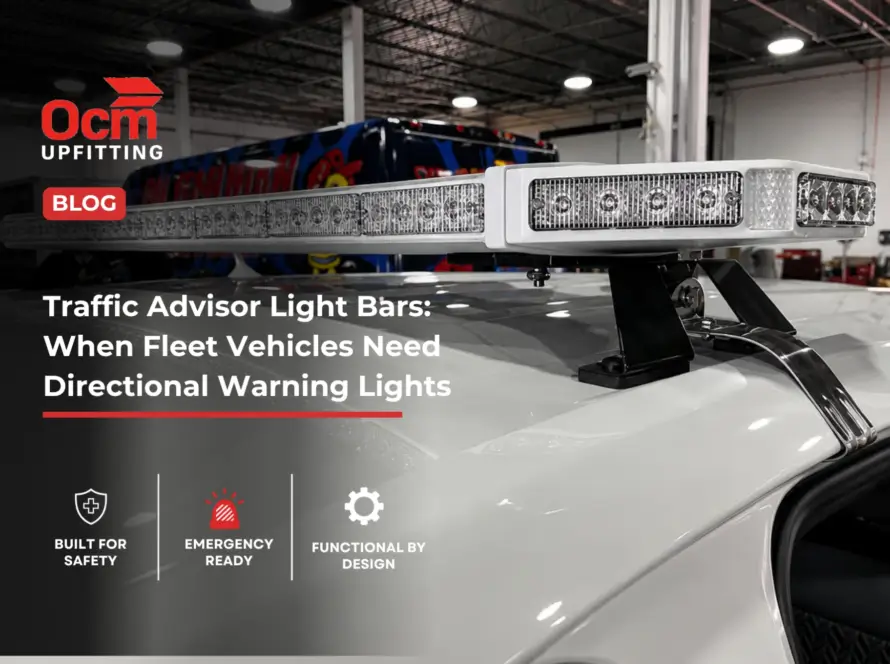
Light bar electrical noise is a common issue in vehicles equipped with high-output LED lighting systems. Many drivers install powerful LED light bars for improved visibility, especially on work trucks, emergency vehicles, and off-road rigs. However, once installed, some users notice static on the radio, interference with communication systems, or humming sounds in speakers. These issues are typically caused by light bar electrical noise generated by the lighting system’s power supply or wiring.
For fleet vehicles, service trucks, and off-road builds, addressing electrical interference is essential. Proper installation, quality components, and correct wiring techniques can significantly reduce or eliminate unwanted electrical noise.
Why High-Output Light Bars Cause Electrical Noise
High output LED light bars use advanced driver circuits to regulate voltage and current. These drivers often rely on switch-mode power supplies (SMPS) to maintain consistent brightness while minimizing energy consumption.
While efficient, these systems can produce electromagnetic interference (EMI) that travels through vehicle wiring. This interference may affect:
-
AM/FM radios
-
CB radios and communication equipment
-
GPS systems
-
Vehicle electronics
-
Audio systems
Electrical noise usually enters the system through the vehicle’s power wiring or grounding points. Poor installation practices can amplify the issue, making interference more noticeable.
Professional installers often recommend systems designed for clean power lighting to ensure proper voltage regulation and minimal interference across the vehicle’s electrical network.
Common Signs of Light Bar Electrical Interference
Before fixing the issue, it’s important to recognize the typical symptoms of electrical noise caused by LED light bars.
1. Radio Static When Lights Are On
If your radio works normally but begins producing static when the light bar is switched on, electrical interference is likely entering the radio power circuit.
2. Speaker Buzzing or Humming
Some drivers notice a humming or buzzing noise in vehicle speakers. This usually indicates power line interference affecting the audio system.
3. Communication System Disruption
Emergency vehicles or work trucks using CB or two-way radios may experience signal interference when high-output lights are active.
4. GPS or Electronic Malfunctions
In rare cases, poor wiring or excessive interference may affect onboard electronics.
Key Causes of Electrical Noise in LED Light Bars
Understanding the root cause helps ensure the correct solution is applied.
Poor Grounding
A weak or improperly installed ground connection allows electrical interference to travel through the vehicle’s system.
Low-Quality LED Drivers
Cheap light bars often use poorly shielded driver circuits that emit higher levels of electromagnetic noise.
Shared Power Circuits
Connecting light bars to the same circuit used by sensitive electronics such as radios or GPS units increases the likelihood of interference.
Improper Wiring Routing
Running power cables alongside antenna wires or audio cables allows electromagnetic signals to transfer between systems.
Effective Ways to Reduce Light Bar Electrical Noise
Reducing interference requires a combination of quality equipment and proper installation practices.
1. Install Noise Filters
Noise suppression filters can significantly reduce interference by blocking unwanted frequencies before they reach sensitive electronics.
Common options include:
-
Inline noise filters
-
Ferrite choke cores
-
Power line suppressors
These components are easy to install and often resolve most radio static issues.
2. Improve Grounding Connections
Grounding is one of the most critical factors in preventing electrical noise.
Best practices include:
-
Grounding the light bar directly to the vehicle chassis
-
Using short, thick grounding wires
-
Ensuring metal-to-metal contact at grounding points
Avoid grounding multiple accessories to the same weak grounding point.
3. Use Dedicated Power Circuits
High-output LED light bars should ideally have their own power circuit.
This typically involves:
-
A relay harness
-
Inline fuse protection
-
Direct battery connection
Separating the light bar’s power supply from sensitive electronics helps isolate interference.
4. Route Wires Properly
Cable routing plays a significant role in electrical interference.
Follow these guidelines:
-
Keep light bar wiring away from antenna cables
-
Avoid running power wires alongside audio wiring
-
Use protective loom to shield cables
Maintaining physical separation between power and signal wires reduces the chance of interference.
5. Choose High-Quality Light Bars
Not all LED light bars are built the same. High-quality units use better shielding, advanced driver circuitry, and improved filtering.
Professional-grade lighting systems are designed specifically to minimize EMI while delivering maximum brightness.
For fleet vehicles, law enforcement units, or commercial work trucks, investing in quality equipment reduces long-term electrical issues.
Why Professional Installation Matters
Many electrical noise issues stem from improper installation rather than the lighting system itself.
Professional upfitters understand how to:
-
Design dedicated power systems
-
Properly ground high-power accessories
-
Install relays and suppression filters
-
Prevent interference with vehicle electronics
A professional installation ensures your lighting system performs reliably without disrupting other electrical components.
This is particularly important for vehicles used in emergency services, construction fleets, and off-road operations where dependable electronics are critical.
Final Thoughts
High-output LED light bars provide exceptional visibility for work vehicles and off-road setups, but they can sometimes introduce unwanted electrical interference. Fortunately, light bar electrical noise can be effectively reduced through proper wiring, grounding improvements, noise filters, and high-quality lighting systems.
Whether you’re upgrading a fleet truck, outfitting an emergency vehicle, or installing lights on an off-road build, taking the time to address electrical noise will ensure smooth operation of radios, communication equipment, and onboard electronics.