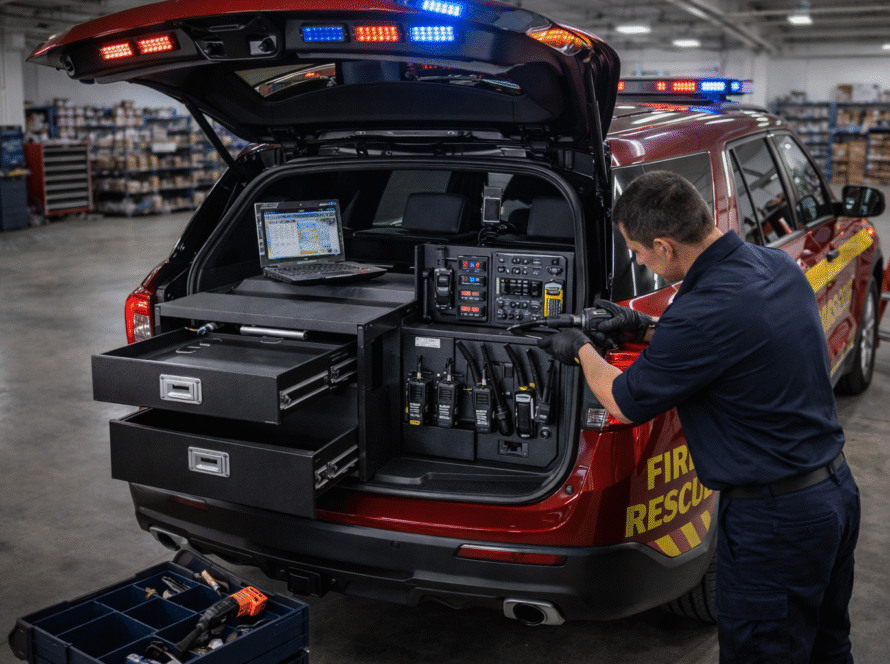
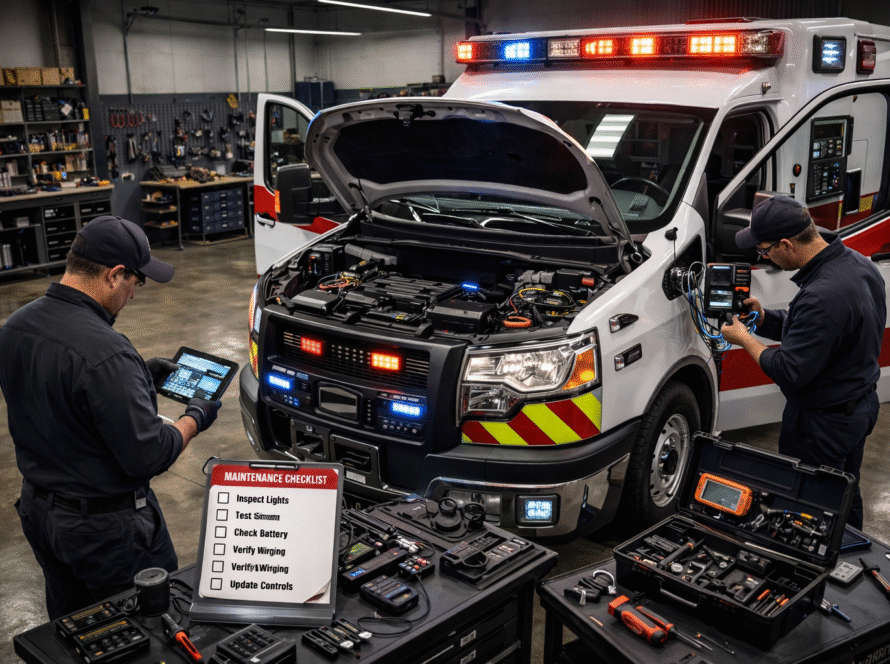
When it comes to utility fleet upfit and service vehicle customization, businesses must balance safety, functionality, and long-term efficiency. Whether you’re managing a fleet of service vans or a mixed lineup of work trucks, the right van upfitting strategy ensures your vehicles are optimized for productivity while meeting industry compliance standards.
At National Upfitting, we specialize in commercial vehicle upfitting, helping businesses across the U.S. design tailored solutions that fit their operational needs. From electrical upgrades to storage configurations and safety lighting, each element of a vehicle upfit plays a critical role in improving day-to-day operations.
Why Upfitting Matters for Utility and Service Fleets
Utility and service fleets face unique challenges. Crews depend on their vehicles as mobile workstations, meaning poor organization or lack of equipment integration can cost both time and money. Proper upfitting addresses these concerns by:
-
Improving worker efficiency through optimized layouts.
-
Enhancing driver and roadside safety with compliant lighting and warning systems.
-
Reducing downtime by equipping vehicles with secure, durable storage and mounting solutions.
-
Extending vehicle lifespan through professional installation and equipment integration.
Instead of treating fleet vehicles as “one size fits all,” upfitting makes them task-specific, helping your workforce perform more effectively.
Key Considerations for Service Vehicle Customization
1. Safety and Compliance First
Safety regulations for roadside work, utility services, and emergency response are strict. Outfitting vehicles with high-visibility emergency lighting, traffic advisors, and sirens ensures compliance with federal and state laws. Additionally, proper electrical wiring and certified installation prevent hazards that could otherwise lead to downtime or liability issues.
2. Storage and Organization
A disorganized van leads to wasted time. Custom shelving, lockable drawers, and partition systems allow teams to keep tools and materials secure and accessible. For technicians who rely on specialized equipment, modular storage ensures everything has its place, minimizing clutter and improving workflow.
3. Electrical and Lighting Systems
From full-length light bars to hideaway and intersection lighting, every fleet has unique visibility needs. Reliable lighting is not only about compliance but also about keeping crews safe when working in low-light or high-traffic conditions. Investing in durable, energy-efficient systems is critical for long-term reliability.
4. Comfort and Ergonomics
Utility and service workers often spend long hours inside their vehicles. Ergonomic seating, climate-controlled compartments, and easy-access equipment reduce fatigue and improve overall productivity. For fleets that transport K9 units or sensitive equipment, proper ventilation and insulation are essential.
5. Scalability and Future Proofing
An effective upfit should evolve with your business. Modular systems allow for adjustments as your fleet grows or service offerings change. This adaptability ensures you don’t need to overhaul entire fleets every time new requirements arise.
The Role of Professional Installation
While DIY solutions may seem appealing, professional installation guarantees that vehicles are safe, compliant, and built to last. Certified technicians use industry-approved parts and follow manufacturer specifications, ensuring every system—from storage racks to electrical circuits—is installed correctly. Professional upfitting also protects warranties and minimizes long-term repair costs.
Industry Applications of Fleet Upfitting
-
Utility Companies: Benefit from heavy-duty storage, ladder racks, and safety lighting for roadside work.
-
Service Contractors: Electricians, plumbers, and HVAC technicians rely on organized shelving and secure partitions.
-
Public Safety & Municipal Fleets: Require advanced emergency lighting, sirens, and communication equipment.
-
Telecom & Cable Providers: Depend on customized layouts for equipment and cable management.
Each sector has specific needs, but the principle remains the same: customization equals efficiency.
Planning a Successful Van Upfitting Project
Before moving forward with an upfit, fleet managers should:
-
Assess operational needs – Identify inefficiencies in your current setup.
-
Prioritize compliance and safety – Ensure all upgrades meet federal and state requirements.
-
Choose a trusted upfitting partner – Look for experience, certifications, and proven results.
-
Budget strategically – Consider both immediate costs and long-term return on investment.
Final Thoughts
The right utility fleet upfit can transform a standard work van or service truck into a fully equipped, mobile workspace. From storage solutions and safety lighting to ergonomic improvements and future scalability, strategic planning ensures your fleet performs at its peak. With expert installation and customized designs, businesses not only improve efficiency but also gain a competitive advantage in the marketplace.
Ready to transform your fleet with professional service vehicle customization? National Upfitting’s certified team is here to design and install solutions tailored to your business needs. Don’t wait—book your appointment today and see how the right van upfitting strategy can elevate your utility or service fleet.