Why Utility Fleet Wraps Need Vehicle-Specific Planning
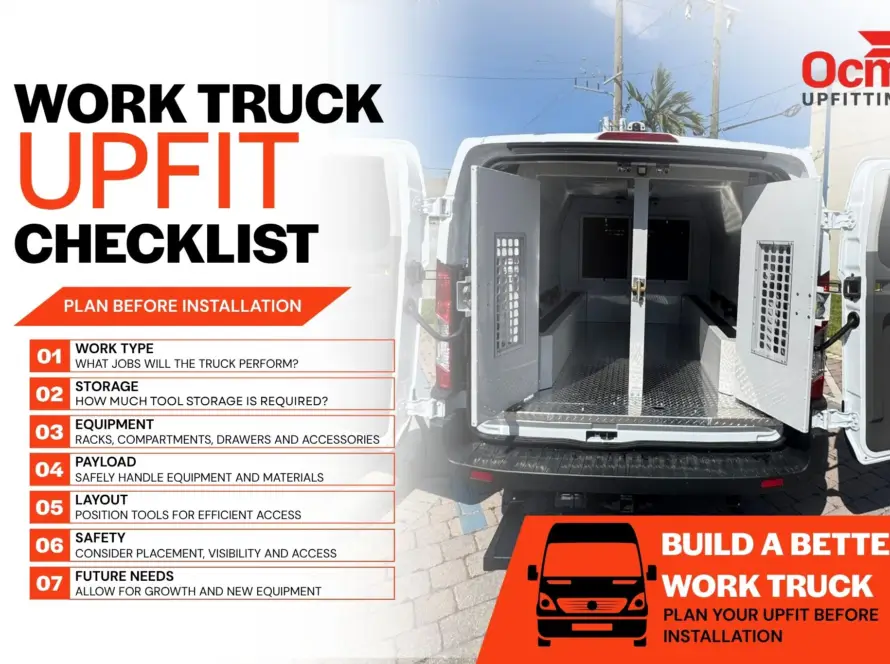
Your fleet can have a consistent brand design and still end up with inconsistent-looking vehicles. The problem often starts when graphics are approved before anyone considers service-body compartments, ladder racks, access doors, lighting, and other installed equipment.
For utility fleet managers and contractors, working with custom vehicle upfitters helps bring vehicle configuration and branding decisions together. OCM Upfitting’s vehicle wraps and branding services include custom graphics, decals, and branding solutions for commercial and specialized fleets.
The right approach is to measure each vehicle, identify usable graphic surfaces, choose an appropriate coverage option, and coordinate installation with other upfit work. This helps maintain brand consistency without interfering with equipment access or normal vehicle functions.
Compare Full Wraps, Partial Wraps, and Vinyl Lettering
Not every work vehicle needs a full wrap. The best choice depends on branding goals, available vehicle surfaces, maintenance expectations, and project requirements.
Full Vehicle Wraps
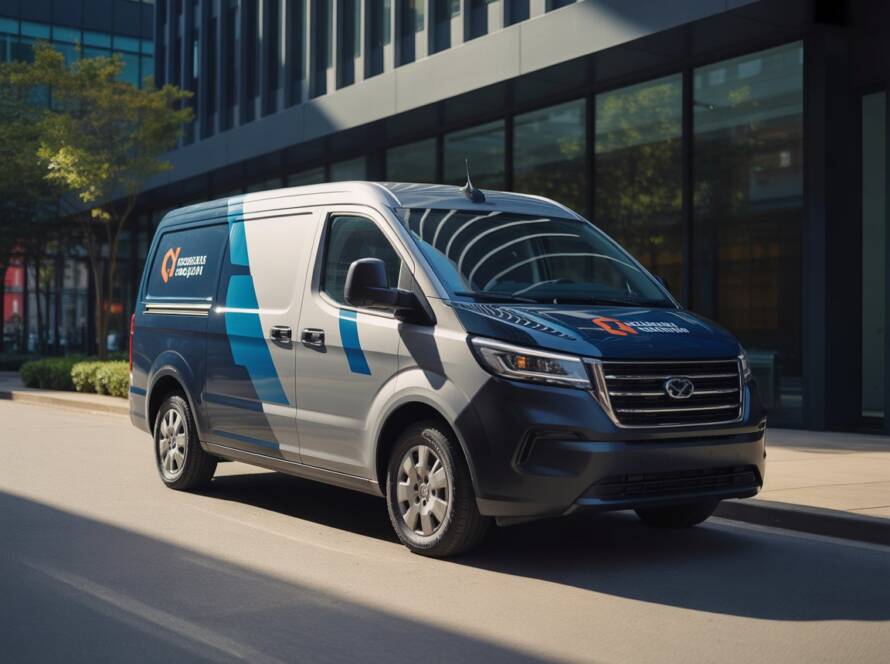
Full wraps provide extensive graphic coverage and more creative flexibility. They may suit enclosed service vans or trucks with large, uninterrupted exterior panels.
However, commercial utility truck wraps can become complicated when toolboxes, utility bodies, racks, and access panels limit the areas available for graphics.
Partial Wraps
Partial wraps use selected sections of the vehicle, such as doors, side panels, hoods, or rear surfaces.
They may be suitable for utility companies that want recognizable branding while keeping equipment compartments and high-use areas accessible.
Vinyl Lettering and Identification Decals
Vinyl lettering and decals provide a simpler option for displaying a company name, logo, contact information, or vehicle identification.
They can work well for contractor pickups, mixed vehicle fleets, and service trucks with limited uninterrupted panel space.
The manufacturer’s 3M fleet graphics guide explains the differences between decals, partial wraps, and full wraps, helping businesses compare coverage options based on their branding needs.
Design Around Toolboxes, Doors, Racks, and Equipment
A commercial vehicle is a working platform, not simply an advertising surface.
Before designing custom work truck graphics, fleet managers should identify the equipment that affects usable exterior space.
Service Bodies and Tool Compartments
Service-body trucks frequently include exterior storage compartments that technicians open throughout the day.
Graphics should account for compartment edges, locks, handles, hinges, and frequently accessed areas.
For example, placing important branding information across multiple compartment doors may make it difficult to read when those doors are open.
A more practical design uses available flat panels while maintaining access to storage.
Fleet managers still deciding on the vehicle platform can review OCM Upfitting’s service body vs. cargo van comparison before finalizing the graphics layout.
Ladder Racks and Exterior Equipment
Ladder racks, mounted accessories, and other exterior equipment can influence graphic placement and visibility.
For contractor fleet vehicle wraps, consider:
- Areas blocked by ladder racks or installed equipment
- Frequently opened doors and exterior compartments
- Vehicle lighting and reflectors
- Cameras, sensors, and other functional components
- Existing safety markings and identification labels
Graphics should never obstruct required vehicle equipment or interfere with normal operation.
Surface Condition and Material Selection
Vehicle surfaces also affect wrap suitability.
According to Avery Dennison’s fleet graphics guidance, film selection should account for coverage needs and surface complexity, including curves and recessed areas.
Before installation, inspect the vehicle for damaged paint, previous repairs, corrosion, and unsuitable surfaces.
Avery Dennison’s vehicle wrap surface guidance explains why original factory paint and existing surface condition matter when applying and later removing vinyl graphics.
Coordinate Fleet Branding With Vehicle Upfitting
One common mistake is scheduling graphics without confirming whether the vehicle’s exterior equipment installation is complete.
Adding or relocating a rack, exterior light, compartment accessory, or other mounted component after graphics installation may require cutting, modifying, or replacing affected sections.
This is where custom vehicle upfitters can provide value beyond graphic placement alone.
A coordinated project should follow a practical sequence:
- Confirm the vehicle make, model, and body configuration.
- Identify exterior equipment and planned modifications.
- Measure usable graphic surfaces.
- Finalize branding and artwork.
- Review placement around functional equipment.
- Approve the final graphic layout.
- Coordinate installation and vehicle availability.
- Inspect the finished vehicle before acceptance.
For commercial van wrap installation, graphics should also be planned around any exterior modifications and the condition of the vehicle’s painted surfaces.
Fleet managers handling multiple vehicles can use OCM Upfitting’s multi-vehicle fleet rollout guide to coordinate specifications, installation stages, and final vehicle acceptance.
Planning a New Fleet or Refreshing Existing Vehicles?
If your business is ordering new service trucks, replacing older vans, or updating company branding, review vehicle equipment and graphic requirements together before approving production.
OCM Upfitting can discuss vehicle types, existing equipment, branding objectives, and the specifications needed for a coordinated fleet wrap project.
How to Standardize Branding Across Different Work Vehicles
Service vehicle fleet branding becomes more challenging when an organization operates pickups, cargo vans, and utility-body trucks.
A single graphic design may not fit every vehicle.
Instead, businesses can establish a master branding standard covering:
- Approved logos and brand colors
- Primary identification and contact details
- Minimum text readability
- Preferred graphic placement
- Approved layout variations
- Vehicle-specific measurements
- Graphic maintenance expectations
The objective is consistent brand recognition, even when the placement and proportions differ between vehicles.
A Utility Contractor With 10 Vehicles
Consider a utility contractor preparing ten vehicles for service.
The fleet includes four cargo vans, four service-body trucks, and two pickups.
The company wants all ten vehicles to share the same branding.
However, the service-body trucks have multiple exterior compartments, while the vans offer larger uninterrupted side panels.
Rather than forcing one design onto every vehicle, the contractor could approve three vehicle-specific layouts under one brand standard.
The vans might use larger partial wraps. The service-body trucks might use strategically placed lettering and graphics. The pickups could use identification decals on appropriate panels.
This approach supports visual consistency while respecting each vehicle’s functional requirements.
What Determines the Cost and Installation Schedule?
Vehicle wrap quotes depend on the actual scope of work.
Important factors include:
- Vehicle type and dimensions
- Full wrap, partial wrap, or lettering
- Graphic design requirements
- Surface condition
- Body configuration and equipment obstacles
- Material selection
- Number of vehicles
- Artwork revisions
- Installation complexity
- Scheduling and vehicle availability
A larger wrap is not automatically the best choice. Fleet managers should compare the available graphic space, desired appearance, maintenance requirements, and long-term branding plans before approving a quote.
What About Wrap Maintenance?
Vehicle graphics require appropriate care after installation.
3M’s vehicle wrap care guidance recommends regular cleaning, prompt removal of contaminants, and gentle washing methods. Fleet managers should follow the instructions for the specific film installed.
For vehicles operating at construction sites, industrial facilities, or other demanding environments, cleaning procedures should be considered before selecting graphics.
Utility Truck Wrap and Graphics Planning Checklist
Before requesting a quote, make sure your fleet team can answer these questions:
- Which vehicles need branding?
- What are their makes, models, and body configurations?
- Are all exterior equipment installations finalized?
- Where are toolboxes, ladder racks, handles, and access panels located?
- Will full wraps, partial wraps, or lettering best meet branding goals?
- Are approved logos, colors, and artwork available?
- Have vehicle measurements been confirmed?
- Are lighting, cameras, sensors, and required markings unobstructed?
- Has the condition of the painted surfaces been inspected?
- Will the design remain consistent across different vehicles?
- How will vehicles be scheduled for installation?
- Who will approve the finished graphics?
Answering these questions before production can reduce avoidable revisions and give the upfitter a clearer scope to evaluate.
Plan Your Utility Fleet Wrap Project With OCM Upfitting
Your branding should fit the vehicle, not interfere with the work it performs.
OCM Upfitting provides custom vehicle graphics, wraps, decals, and broader fleet-upfitting services for commercial vehicles.
If you’re planning a new utility fleet, refreshing contractor vehicles, or standardizing branding across multiple trucks and vans, prepare your vehicle types, fleet quantity, equipment configurations, and preferred graphics.
Call OCM Upfitting at (954) 764-8117 or use the fleet project inquiry page to request a quote for your upcoming vehicle branding project.
FAQs
Can utility trucks with toolboxes and ladder racks be wrapped?
Yes, depending on the vehicle configuration and available surfaces. Wrap layouts should account for toolboxes, racks, compartment doors, handles, lighting, and other exterior equipment before artwork is approved.
Are partial wraps better than full wraps for service vehicles?
Not always. Partial wraps may be more practical for vehicles with limited graphic space or numerous exterior compartments. Full wraps may suit vehicles with larger uninterrupted surfaces and more extensive branding requirements.
Can custom vehicle upfitters coordinate equipment and graphics installation?
Yes. Upfit planning can coordinate exterior equipment requirements with graphic placement and installation scheduling. OCM Upfitting lists both graphics services and broader vehicle-upfitting capabilities.
What information is needed for a fleet wrap quote?
Prepare vehicle makes and models, body styles, fleet quantity, existing equipment, preferred wrap coverage, branding files, and any relevant scheduling or installation requirements.