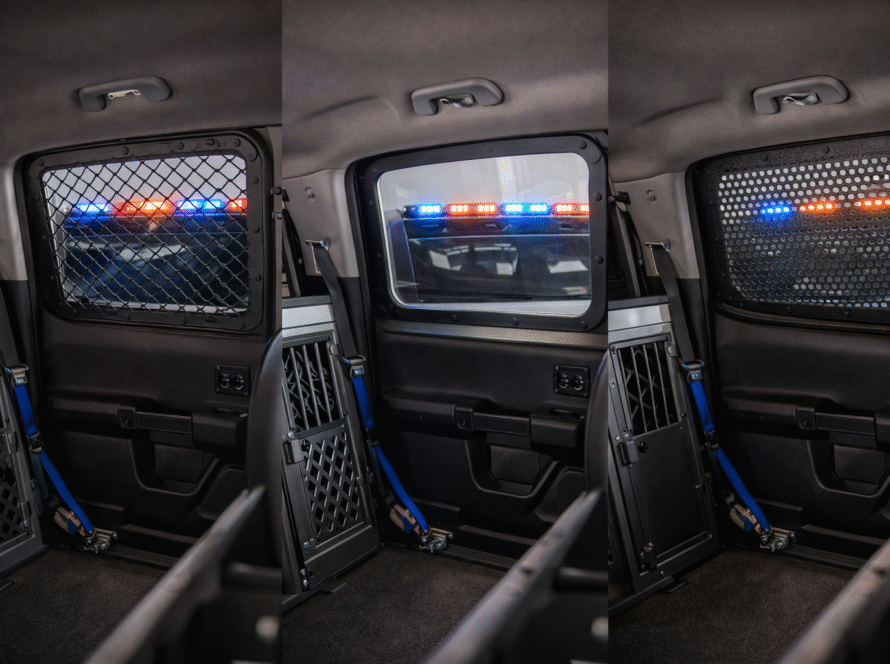
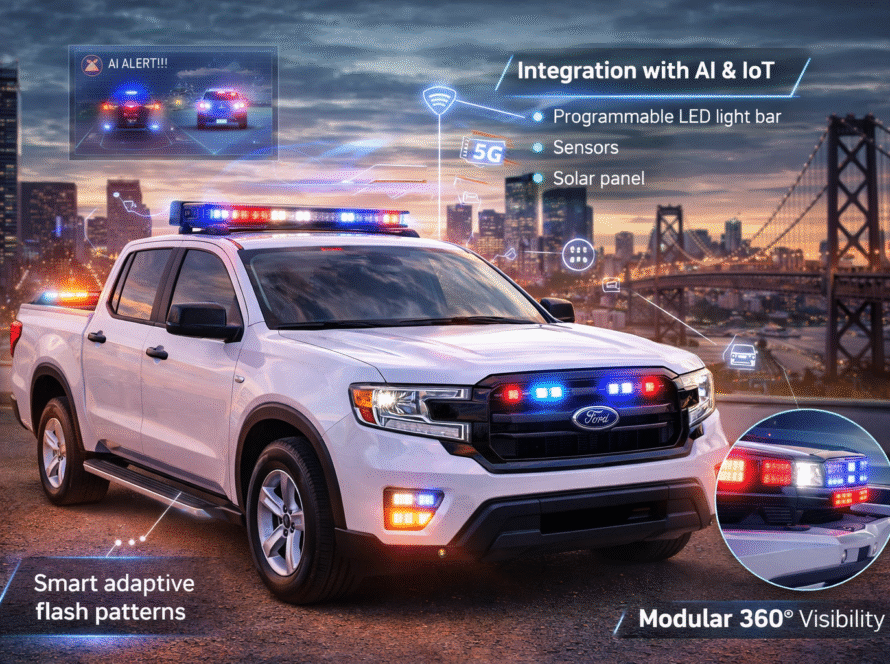
Siren light synchronization plays a critical role in how quickly drivers recognize and respond to approaching emergency vehicles. When sirens and light bars work together in a coordinated pattern, motorists are able to detect emergency signals faster and react appropriately on the road.
For police, fire, and emergency response fleets, every second matters. Proper synchronization between audio sirens and visual light bars ensures that emergency vehicles are both heard and seen immediately, helping reduce response times and improving road safety.
Emergency vehicles rely on multiple warning systems, but these systems must work together seamlessly. A properly installed siren & lighting System ensures that sound and visual signals are aligned in a way that grabs driver attention instantly and communicates urgency without confusion.
Why Driver Reaction Time Matters in Emergency Response
When an emergency vehicle approaches traffic, drivers must quickly process several cues: flashing lights, siren sound patterns, and vehicle movement. If these signals are not coordinated properly, drivers may hesitate or respond incorrectly.
Studies in traffic safety consistently show that synchronized warning systems improve driver recognition speed. When sirens and lights operate together in a predictable pattern, the human brain processes the alert faster because both auditory and visual signals reinforce the same message.
Without synchronization, drivers may hear a siren but fail to immediately locate the emergency vehicle. Similarly, flashing lights without a corresponding siren pattern may not signal urgency quickly enough in heavy traffic.
By aligning these two warning systems, emergency fleets can reduce confusion and encourage drivers to yield faster.
How Siren Light Synchronization Works
Siren light synchronization is achieved through specialized control modules that coordinate the timing of the siren tones with the flashing patterns of the light bars.
Modern emergency vehicle systems allow technicians to program synchronized patterns so that:
-
Siren tone changes align with light flashes
-
Light bars pulse in rhythm with audible signals
-
Directional lighting complements the siren pattern
-
Visibility increases during day and night conditions
For example, when the siren switches between wail and yelp modes, the light bar pattern may also shift. This synchronized change helps drivers instantly recognize an approaching emergency vehicle and react accordingly.
Advanced vehicle upfitting systems also allow different synchronization settings depending on the situation, such as intersections, highway response, or nighttime operations.
Benefits of Synchronizing Sirens and Light Bars
Properly configured siren light synchronization provides several important advantages for emergency fleets.
Faster Driver Recognition
Drivers respond more quickly when both sound and light signals are synchronized. This reduces hesitation and improves traffic clearance.
Improved Road Safety
Clear communication between emergency vehicles and civilian drivers lowers the risk of accidents during emergency responses.
Increased Visibility
Synchronized light patterns enhance visibility, especially in crowded urban areas or during nighttime operations.
Reduced Driver Confusion
When signals operate in a coordinated way, motorists understand immediately that an emergency vehicle is approaching and know how to respond.
More Professional Fleet Appearance
Well-synchronized lighting and siren systems create a professional and organized emergency vehicle presence, reflecting the reliability of the department operating the fleet.
Importance of Professional Emergency Vehicle Upfitting
Installing synchronized siren and lighting systems requires professional vehicle upfitting expertise. These systems involve complex wiring, control units, and mounting requirements that must meet industry safety standards.
Professional upfitters ensure that:
-
Sirens and light bars are properly integrated
-
Electrical systems remain reliable and protected
-
Lighting visibility meets safety regulations
-
Controls are accessible for emergency operators
A poorly installed system can lead to inconsistent warning signals, electrical failures, or reduced effectiveness during emergency situations.
Fleet managers should always work with experienced upfitting professionals who understand emergency vehicle requirements and modern warning system technology.
Choosing the Right Lighting and Siren Setup
Not all emergency vehicles require the same warning system configuration. The ideal setup depends on the type of vehicle, operational environment, and response needs.
Key factors to consider include:
-
Light bar brightness and visibility range
-
Siren power and sound projection
-
Control module compatibility
-
Vehicle electrical capacity
-
Integration with existing fleet systems
Police vehicles, fire trucks, ambulances, and utility response vehicles each have different operational demands. Customized synchronization ensures that each vehicle communicates effectively with surrounding drivers.
The Role of Modern Technology in Emergency Warning Systems
Advancements in emergency vehicle technology have made synchronization more precise and customizable than ever before.
Digital control systems now allow fleets to:
-
Program multiple siren-light patterns
-
Adjust brightness levels automatically
-
Coordinate directional lighting for traffic guidance
-
Integrate warning systems with vehicle controls
These modern systems help emergency responders maintain clear communication with drivers while improving overall operational efficiency.
As traffic density increases in many cities, the importance of optimized warning systems continues to grow.
Final Thoughts
Siren light synchronization is more than just a technical upgrade. It is a safety enhancement that directly impacts how quickly drivers recognize and respond to emergency vehicles.
By ensuring that sirens and light bars work together in a coordinated system, emergency fleets can improve visibility, reduce response delays, and create safer road conditions for everyone.