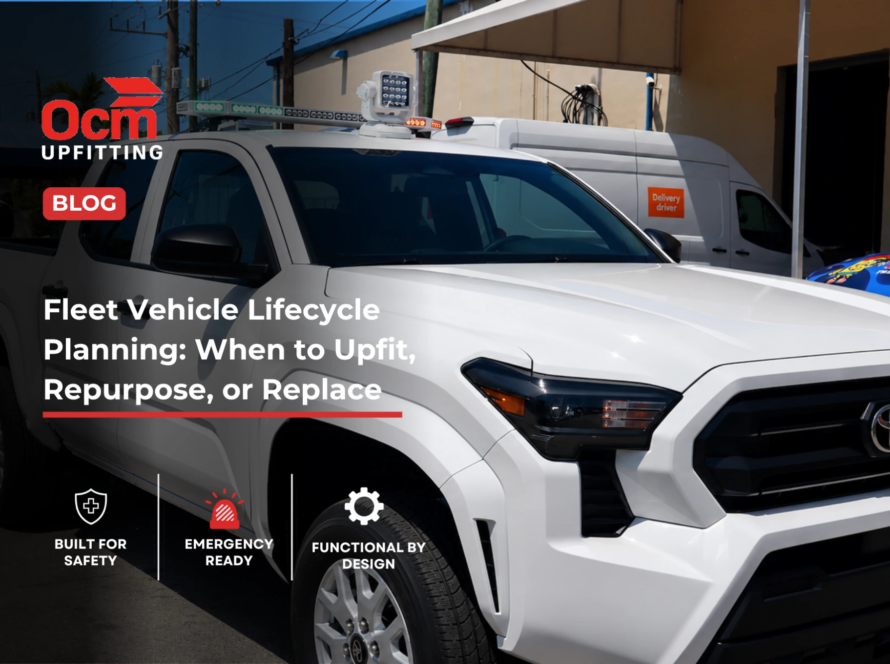
Roof-mounted full-length light bars are one of the most essential components of any emergency vehicle lighting system. Designed for high visibility, reliability, and performance, these lights serve as the first line of alert in critical response situations. Whether for police, fire, or EMS fleets, understanding what makes a full-length light bar effective can make all the difference in visibility, safety, and operational efficiency.
When outfitting vehicles through professional first responder vehicle upfitting services, choosing the right light bar isn’t just about looks it’s about compliance, clarity, and control. From optical design to power management, every feature contributes to the safety of both responders and the public.
1. High-Intensity LED Technology
The best roof-mounted light bars use high intensity LED modules engineered for maximum brightness and durability. Modern LEDs outperform older halogen and strobe systems, providing more lumens per watt, longer lifespan, and reduced maintenance.
High-powered LEDs also ensure visibility in various weather conditions — whether it’s fog, rain, or direct sunlight. They deliver consistent light output while using less energy, helping your fleet’s electrical systems perform more efficiently. Additionally, LED arrays offer multiple flash patterns and directional controls, giving operators the flexibility to adapt to every response scenario.
2. Aerodynamic, Low-Profile Design
Emergency vehicles often operate at high speeds, making aerodynamics a critical factor. A low-profile light bar reduces drag and wind resistance while minimizing noise and vibration at highway speeds. These designs also improve the overall look of the vehicle, creating a sleek, professional appearance without compromising performance.
Manufacturers use durable polycarbonate lenses and corrosion-resistant aluminum housings to withstand daily exposure to the elements. The compact form factor ensures clearance for low overhangs, garages, and car washes — all important considerations for fleet operations.
3. Multi-Color and Programmable Lighting Options
Modern roof-mounted full-length light bars come with multi-color configurations, allowing responders to switch between red, blue, amber, or white lighting depending on jurisdiction or operational needs. For instance, a police cruiser might use red/blue for enforcement, while amber lighting is ideal for directing traffic or construction applications.
Programmable control systems enable operators to adjust flash patterns, brightness levels, and activation sequences from a central control panel or touchscreen interface. This functionality enhances visibility, prevents confusion in multi-vehicle responses, and ensures compliance with local emergency lighting regulations.
4. Integrated Traffic Advisor Functions
Many full-length light bars now include rear-facing traffic advisor modules that provide directional guidance during roadside incidents. These systems use sequential amber LEDs to indicate “left,” “right,” or “center-out” traffic flow, helping direct vehicles safely around the scene.
Having a built-in traffic advisor eliminates the need for separate rear-mounted bars, saving space and simplifying installation. It also adds another layer of safety for first responders working in active traffic zones.
5. Rugged Construction and Weatherproofing
Durability is essential for emergency lighting systems exposed to vibration, heat, and moisture. Look for light bars rated IP67 or higher, ensuring protection against dust, rain, and temporary submersion. Reinforced mounting brackets and vibration-dampening systems prevent fatigue damage during prolonged vehicle use.
Weatherproof connectors and sealed circuitry protect the light bar’s internal components, maintaining consistent performance regardless of environmental conditions. For agencies operating in harsh climates — from desert heat to snowy terrain — these build qualities are non-negotiable.
6. Simplified Wiring and Control Integration
Efficiency in installation and maintenance is key for upfitting shops and fleet managers. The latest light bar systems use plug-and-play wiring harnesses and centralized control modules compatible with existing vehicle electrical systems. This simplifies upgrades and troubleshooting while reducing downtime.
Some high-end systems integrate with vehicle data networks, allowing lighting control through touchscreen displays, steering wheel buttons, or smart control systems. This type of integration reduces driver distraction and enhances operational control during emergencies.
7. Compliance with Industry Standards
All emergency lighting equipment must comply with SAE, NFPA, and CA Title 13 standards, depending on the vehicle type and jurisdiction. These standards define brightness levels, flash rates, and visibility angles to ensure uniform signaling.
By choosing a compliant light bar, agencies not only meet legal requirements but also ensure their vehicles communicate clearly with other motorists, reducing accident risks during emergency responses.
8. Energy Efficiency and Power Management
With multiple systems drawing power simultaneously — lights, radios, sirens, and computers — power management becomes critical. Advanced light bars use low-draw LED circuits and smart voltage monitoring to protect vehicle batteries and alternators from overloading.
Some systems even feature automatic dimming modes that adjust brightness based on ambient lighting conditions, extending equipment lifespan and reducing power consumption.
9. Customization and Modular Expansion
Every agency has unique operational requirements, and modern light bars accommodate that through modular construction. You can easily add take-down lights, alley lights, or additional warning modules without a complete system replacement. This scalability makes it easier to update your fleet lighting as technology evolves or new standards emerge.
10. Warranty and Support
Finally, never overlook warranty coverage and after-sale support. Reputable manufacturers and upfitting companies provide multi-year warranties and on-site service support, ensuring that your lighting system remains fully functional and compliant throughout its lifespan.
Conclusion
Roof-mounted full-length light bars are far more than visual accessories — they are essential safety tools designed to save lives on the road. Investing in high-quality lighting ensures every emergency response is backed by clear, powerful visibility.
If your department or organization is ready to upgrade its fleet with premium lighting systems and professional installation, OCM Upfitting is your trusted partner. From design to deployment, our team specializes in roof-mounted full-length light bars, communications integration, and complete fleet solutions for public safety and utility sectors.
? Ready to enhance your fleet’s visibility and safety?
Book your appointment today or contact our specialists to discuss the best lighting solution for your vehicles.