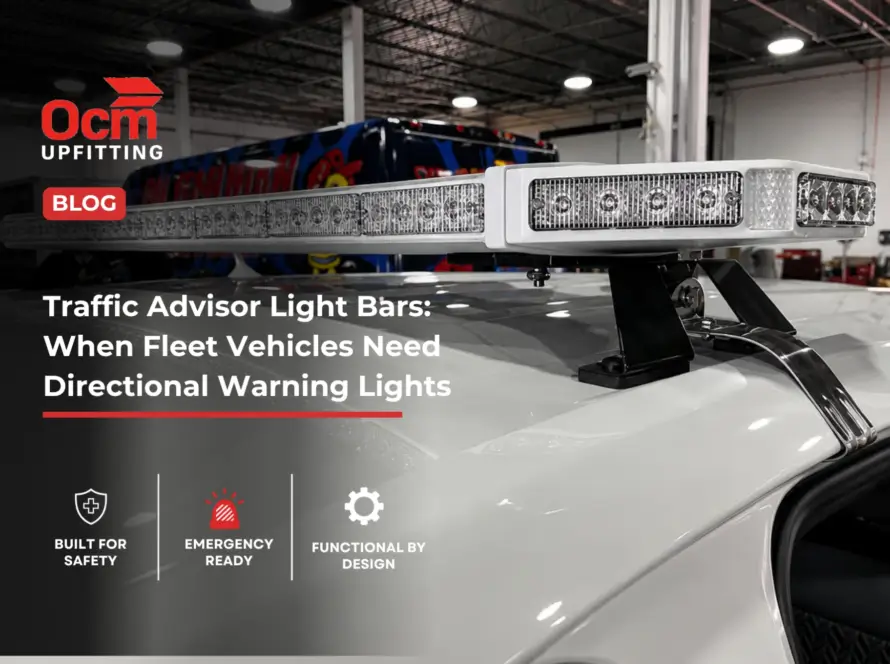
Roof curvature light bars play a major role in determining how well emergency or utility lighting performs on a vehicle. When installing roof curvature light bars, the shape and contour of the vehicle roof directly influence mounting stability, beam direction, and overall lighting efficiency.
For fleet vehicles, emergency responders, and commercial trucks, understanding how roof curvature affects light bar performance can prevent installation problems and improve visibility on the road.
Understanding Vehicle Roof Curvature
Not every vehicle roof is perfectly flat. Most modern trucks, SUVs, and service vehicles are designed with curved rooflines for aerodynamic efficiency and styling. While this design improves fuel efficiency and wind resistance, it creates challenges when installing full-length light bars.
Roof curvature changes how a light bar sits on the vehicle. If the curvature is too pronounced, the light bar may not sit evenly across its mounting points. This can lead to uneven pressure distribution, vibration, or misalignment of the lighting system.
Professional installers consider these factors carefully when selecting mounting brackets and determining the correct light bar mounting design to ensure secure installation and optimal performance.
Why Roof Curvature Matters for Light Bars
A light bar’s effectiveness depends on its positioning. Even small changes in angle can alter the direction and spread of the light beam.
When a light bar is mounted on a curved surface without proper adjustment, several issues can occur:
-
Light beams may angle upward or downward incorrectly
-
Mounting brackets may experience uneven stress
-
Wind noise and vibration may increase
-
The lighting pattern may become inconsistent
These problems reduce the effectiveness of the lighting system, especially for emergency or service vehicles that rely on high visibility.
Impact on Beam Projection
One of the most important aspects of light bar performance is beam projection. Full-length light bars are designed to distribute light evenly across wide areas.
However, roof curvature can alter the projection angle.
If the center of the light bar sits higher than the edges due to roof shape, the light beam may tilt slightly upward. Conversely, if the edges sit higher than the center, the beam may point downward toward the hood.
Both situations reduce the effective lighting range and may create glare or shadow zones.
Proper mounting brackets or curved light bar designs help correct this issue and ensure the beam pattern remains consistent.
Mounting Stability and Structural Support
Roof curvature also affects mounting stability. Full-length light bars can span across a large portion of the vehicle roof, which means multiple mounting points must remain secure.
When mounted incorrectly on curved roofs:
-
Brackets may not align properly
-
Fasteners may loosen over time
-
The light bar may flex during vehicle movement
Vibration is particularly problematic for fleet vehicles that operate in rugged environments or at high speeds.
Professional upfitting services use specialized mounting systems that compensate for roof curvature while maintaining structural support across the entire light bar.
Aerodynamics and Wind Resistance
Another factor influenced by roof curvature is aerodynamics.
A poorly fitted light bar can create additional drag and wind turbulence. This not only increases noise but can also affect fuel efficiency and long-term mounting durability.
Curved rooflines often cause airflow to move differently across the top of the vehicle. If the light bar does not follow the natural contour of the roof, wind pressure can push against the mounting brackets and hardware.
This is why many modern light bars are designed with slightly curved profiles that match common vehicle roof shapes.
Compatibility with Different Vehicle Types
Different vehicle categories have different roof curvature profiles.
For example:
Pickup Trucks
Many pickup trucks have moderate roof curvature. Full-length light bars can usually be installed with adjustable mounting brackets.
SUVs and Police Interceptors
These vehicles often have more pronounced roof curves, requiring custom mounting solutions.
Service Vans
Some commercial vans have flatter roofs, making installation easier, but length and roof reinforcement still need to be considered.
Choosing the correct light bar system for each vehicle type ensures better performance and long-term reliability.
The Role of Professional Upfitting
Installing light bars on curved roofs is not just about attaching brackets. Proper upfitting involves evaluating the vehicle structure, mounting points, and lighting requirements.
Professional installers analyze:
-
Roof contour measurements
-
Mounting bracket compatibility
-
Lighting angle and beam distribution
-
Electrical routing and waterproof sealing
These steps ensure that the light bar operates safely and efficiently without compromising the vehicle’s structural integrity.
For fleet managers and emergency services, professional upfitting also ensures compliance with safety standards and operational requirements.
Long-Term Performance Considerations
Over time, improperly installed light bars may develop issues such as loosening mounts, misaligned beams, or increased vibration damage.
Accounting for roof curvature during installation helps avoid these problems.
A well-fitted light bar will:
-
Maintain consistent beam alignment
-
Reduce vibration during driving
-
Minimize wind noise
-
Improve overall lighting coverage
Investing in proper mounting and installation protects the lighting system and ensures dependable performance in demanding environments.
Final Thoughts
Roof curvature may seem like a minor design feature, but it has a significant impact on full-length light bar performance. From beam projection to mounting stability, the shape of a vehicle’s roof influences how effectively a light bar operates.
Choosing the right mounting system and installation approach ensures that roof curvature does not compromise lighting efficiency or safety.
For fleet operators, emergency responders, and commercial vehicle owners, professional installation and proper design considerations are essential for maximizing the performance of roof-mounted lighting systems.
Need Professional Light Bar Installation?
If you want reliable performance from your vehicle lighting system, professional installation is the best solution. The team at OCM Upfitting specializes in vehicle lighting solutions designed for durability and performance. ? Call now to schedule service: ? Book your appointment today: 195-476-48117 Our experts will help you select the right light bar system and ensure it is installed securely for maximum visibility and long-term reliability.