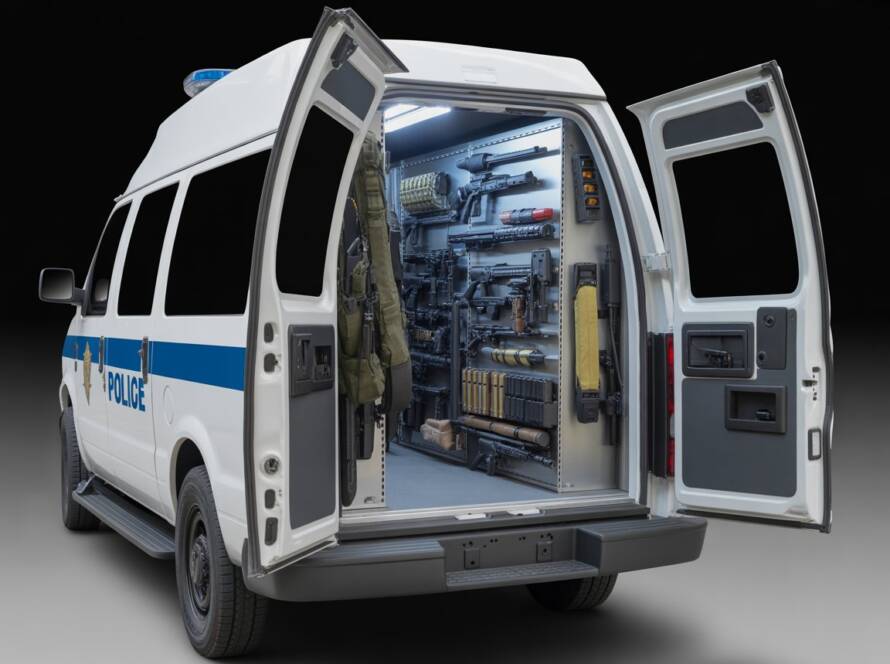
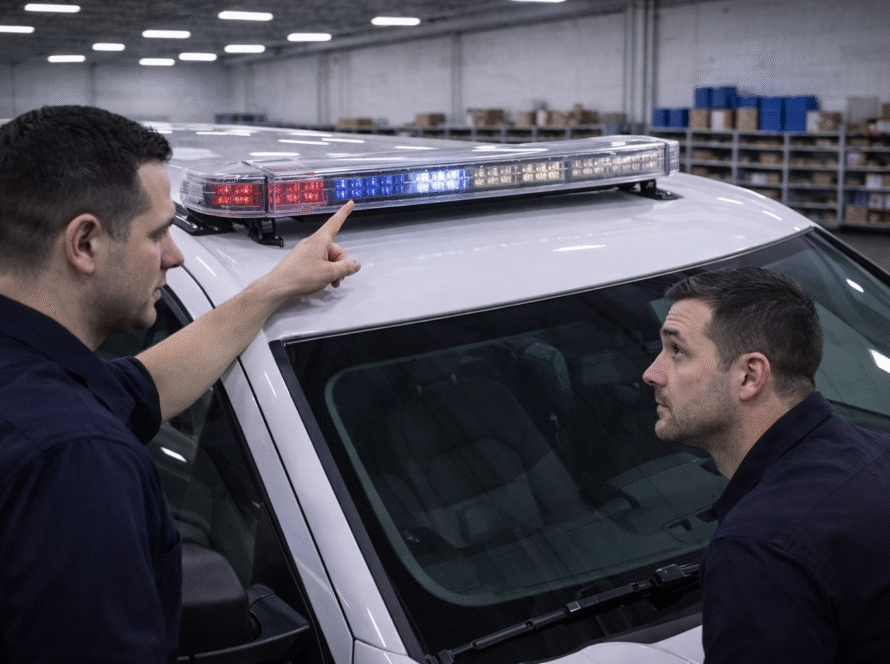
Rear command module design for fire rescue loadouts plays a critical role in how efficiently emergency crews operate on scene. In high-pressure environments where seconds matter, a well-designed rear command area allows fire and rescue teams to access equipment quickly, manage incident operations, and maintain situational control without unnecessary movement or confusion.
Fire rescue vehicles today are more than transport units — they are mobile command centers. With the right rear command systems, departments can transform the rear of a vehicle into a functional workspace that supports coordination, communication, and rapid response in both routine calls and large-scale emergencies.
Understanding the Purpose of a Rear Command Module
A rear command module is designed to centralize tools, technology, and operational controls at the back of a fire rescue vehicle. Unlike basic storage compartments, command modules are purpose-built to support leadership functions such as scene management, communication oversight, and tactical coordination.
These modules often serve incident commanders, safety officers, or senior responders who need quick access to radios, monitors, medical gear, and documentation tools. A properly planned layout reduces response delays and allows command staff to operate effectively without interfering with frontline rescue operations.
Key Design Considerations for Fire Rescue Applications
1. Vehicle Type and Interior Space
Rear command module design must account for the vehicle platform — whether it’s a command SUV, rescue truck, or specialty response unit. Interior height, door access, and load capacity all influence layout decisions. Designs should maximize usable space while maintaining safe movement within the vehicle.
2. Workflow and Accessibility
Equipment placement should follow real-world workflow. Radios, tablets, monitors, and control panels must be reachable without stepping away from the command position. Frequently used items should be positioned at waist or chest height, while secondary gear can be stored in lower or upper compartments.
Storage Solutions That Support Fast Response
Fire rescue command modules rely heavily on organized storage. Custom drawer systems, vertical cabinets, and slide-out trays help keep gear secure and accessible during motion and on scene.
High-quality aluminum construction is commonly used to reduce weight while maintaining strength. Locking drawers prevent equipment from shifting during transport and ensure sensitive tools remain protected. Clear labeling and compartmentalization further improve speed and efficiency when operating under pressure.
Integrated Technology and Communication Equipment
Modern fire rescue command operations depend on reliable technology. Rear command modules often include:
-
Multi-band radios
-
Mobile data terminals (MDTs)
-
Video monitors
-
Intercom systems
-
Power distribution panels
All electronic components should be integrated cleanly with proper cable management to avoid interference and overheating. Backup power options are also essential, ensuring continued operation if the primary electrical system is compromised.
Lighting and Visibility Inside the Command Area
Interior lighting is often overlooked but plays a major role in usability. Command modules should feature adjustable LED lighting that supports nighttime operations without causing glare or eye strain.
Exterior scene lighting tied to the rear command area can also improve visibility when operating roadside or at low-light emergency scenes. Proper lighting placement enhances safety for both responders and the public.
Safety and Durability Standards
Fire rescue vehicles face extreme conditions, including vibration, heat, moisture, and constant use. Rear command modules must be built to withstand these challenges.
Rounded edges, secure mounting points, and reinforced panels help prevent injuries during sudden stops or vehicle movement. Materials should be corrosion-resistant and easy to clean, especially in environments where exposure to smoke, chemicals, or biohazards is possible.
Customization Based on Department Needs
No two fire departments operate the same way. Some prioritize medical response, while others focus on technical rescue or wildland operations. Rear command module design should reflect these operational priorities.
Custom fabrication allows departments to specify layout, equipment mounting, power needs, and storage configurations. This level of customization ensures the command module enhances operations instead of forcing crews to adapt to a generic setup.
Benefits of Professional In-House Fabrication
Working with an experienced upfitting provider like OCM Upfitting ensures rear command modules are designed, built, and installed under one roof. In-house fabrication improves quality control, allows for precise fitment, and shortens turnaround times.
It also ensures compatibility between storage systems, electrical components, and vehicle structure — reducing future maintenance issues and improving long-term reliability.
Conclusion
Rear command module design for fire rescue loadouts is about more than organization — it’s about empowering responders with a mobile workspace that supports leadership, coordination, and safety. A thoughtfully designed command area improves on-scene efficiency, reduces stress during critical incidents, and helps departments serve their communities more effectively.
If your department is planning to upgrade or build a fire rescue command vehicle, OCM Upfitting delivers custom-built solutions tailored to real-world operations. From layout planning to final installation, our team ensures every command module is built for performance and durability.
? Ready to build a command vehicle that works as hard as your team? Book your appointment today or speak directly with our specialists to discuss your fire rescue upfitting needs. We’re ready to help you design a mission-ready solution you can rely on.