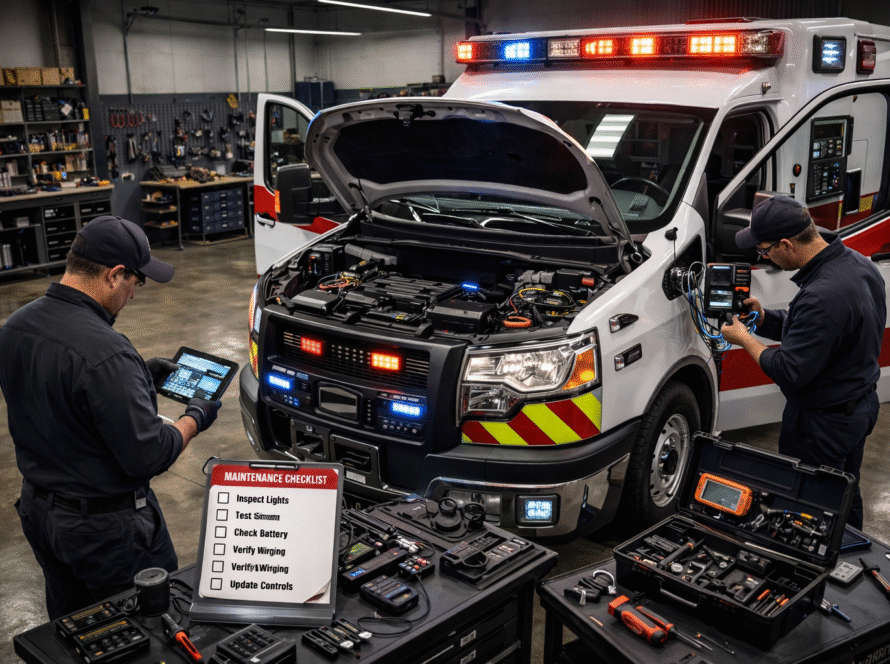
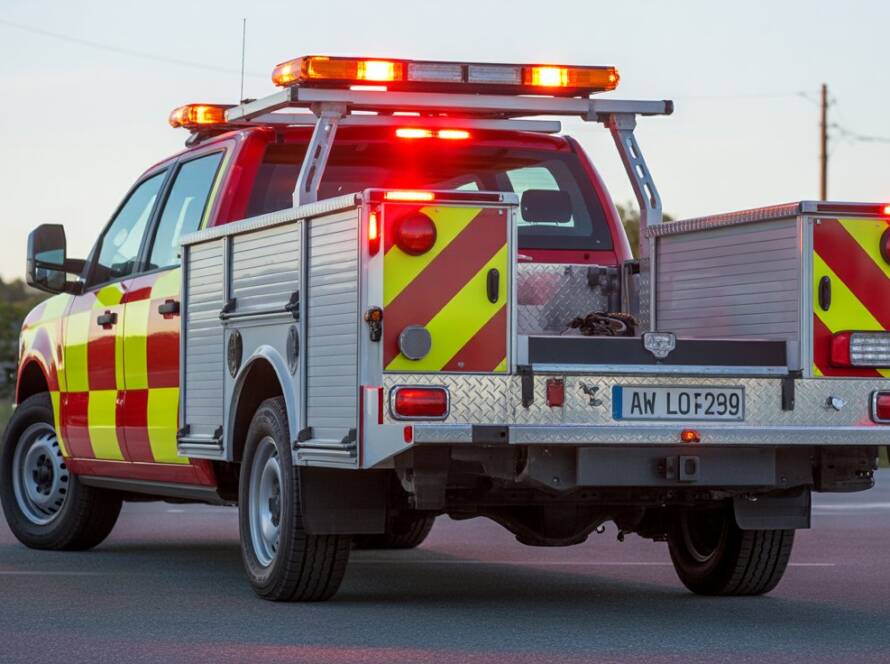
Retrofitting vs. buying new it’s a question many fleet managers and public safety departments face when upgrading vehicles. With today’s advanced vehicle upfitting options, it’s not always necessary to invest in brand-new units to achieve top performance and reliability. Retrofitting can extend the life of existing assets, reduce downtime, and stretch your budget further—all while keeping your fleet mission-ready.
At Vehicle Upfitting specialists like OCM Upfitting, we often see organizations weigh the pros and cons of replacing versus upgrading. Understanding when an upfit makes more sense can help you optimize both short-term costs and long-term operational value.
What Is Vehicle Retrofitting?
Vehicle retrofitting refers to the process of modifying an existing vehicle to meet new performance, safety, or technology standards. Instead of purchasing an entirely new vehicle, you upgrade key components such as lighting systems, communication tools, safety barriers, power management units, or interior storage systems.
This approach allows law enforcement, utility fleets, construction companies, and emergency response teams to maximize the service life of their vehicles without a full replacement cycle.
When Retrofitting Makes More Sense Than Buying New
1. Your Vehicles Are Structurally Sound
If your fleet vehicles are still in good mechanical condition—meaning engines, transmissions, and chassis are strong—then a retrofit is a practical investment. By upgrading the equipment or interior systems, you can refresh a vehicle’s operational capabilities at a fraction of the cost of new units.
2. Budget Constraints Demand Cost-Efficiency
Retrofitting is often 40–60% cheaper than buying new vehicles. For municipal departments, private service fleets, or small businesses with limited budgets, this cost-effective strategy enables continued modernization without overextending financial resources.
An upfit can also be completed faster than new vehicle acquisition, helping minimize downtime and keep your fleet productive.
3. Fleet Consistency and Familiarity Matter
Operators and technicians are already familiar with your existing vehicles. Retrofitting allows you to maintain consistency across your fleet—important for training, maintenance, and operational workflows. With an upfit, you can implement new features or technologies while keeping your team comfortable with the same vehicle platform.
4. Customization and Technology Upgrades
Modern vehicle upfitting technology allows for seamless integration of new systems, including:
-
LED lighting and sirens for emergency vehicles
-
Computer docking stations and radios for law enforcement
-
Power management and inverter systems for mobile workstations
-
Custom shelving, partitions, and equipment racks for service fleets
You can bring your older vehicles up to current standards without the cost and delays of waiting for new deliveries.
When Buying New Might Be the Better Option
Of course, there are times when purchasing new vehicles is more practical. If your vehicles have structural issues, high mileage, or ongoing mechanical failures, an upfit may not provide the ROI you expect.
Additionally, some departments upgrade to meet federal or state emissions standards or to adopt hybrid or electric powertrains—situations where retrofitting older models may not align with long-term sustainability goals.
ROI and Long-Term Benefits of Retrofitting
The return on investment (ROI) for retrofitting can be substantial. A properly executed upfit can extend a vehicle’s service life by 3–5 years. The reduced capital expenditure, coupled with the enhanced performance of new components, often leads to a better cost-to-value ratio compared to full replacements.
Beyond dollars, the benefits also include:
-
Faster deployment: Retrofitted vehicles can be returned to service in weeks, not months.
-
Reduced waste: Environmentally responsible approach through reuse and recycling.
-
Predictable maintenance: Upgrades can standardize equipment, simplifying servicing schedules.
When paired with professional installation and proper planning, retrofitting ensures long-term operational reliability.
How to Decide: Evaluate Your Fleet Strategically
To make the right decision, consider the following evaluation checklist:
-
Vehicle Age & Mileage: Determine which units are viable candidates for retrofitting.
-
Operational Requirements: Identify if new technology integration is possible within existing models.
-
Budget & Lifecycle Costs: Compare total ownership costs, including maintenance and depreciation.
-
Compliance Needs: Ensure upgraded systems meet NFPA, SAE, or other relevant safety standards.
-
Downtime Tolerance: Evaluate how quickly you need your vehicles back in service.
An experienced upfitting partner can conduct a full fleet assessment, helping you make data-driven decisions that align with your organization’s operational goals.
Why Choose OCM Upfitting
At OCM Upfitting, we specialize in designing and installing mission-ready vehicle solutions tailored to your industry. Our expert technicians handle everything from electrical systems and communications gear to full interior configurations—ensuring your retrofitted vehicles deliver performance equal to or better than new models.
We take a consultative approach, assessing your current fleet and recommending the most cost-effective and high-impact upgrades possible.
Conclusion:
In today’s market, retrofitting vs. buying new isn’t just a financial debate—it’s a strategic decision that impacts your fleet’s efficiency, sustainability, and readiness. For many U.S. fleets, a professional retrofit offers the best of both worlds: modern technology, lower costs, and rapid deployment.
Whether you manage emergency response vehicles, public utility fleets, or service trucks, retrofitting is often the smarter and more sustainable way to move forward.
Ready to Upgrade Your Fleet Without Buying New?
Don’t replace reimagine your fleet with OCM Upfitting. Our team will help you evaluate your current vehicles and design a retrofit solution that fits your budget and operational goals.
? Book your appointment today or call (954) 764-8117 to speak with our upfitting specialists and get your fleet ready for the road ahead.