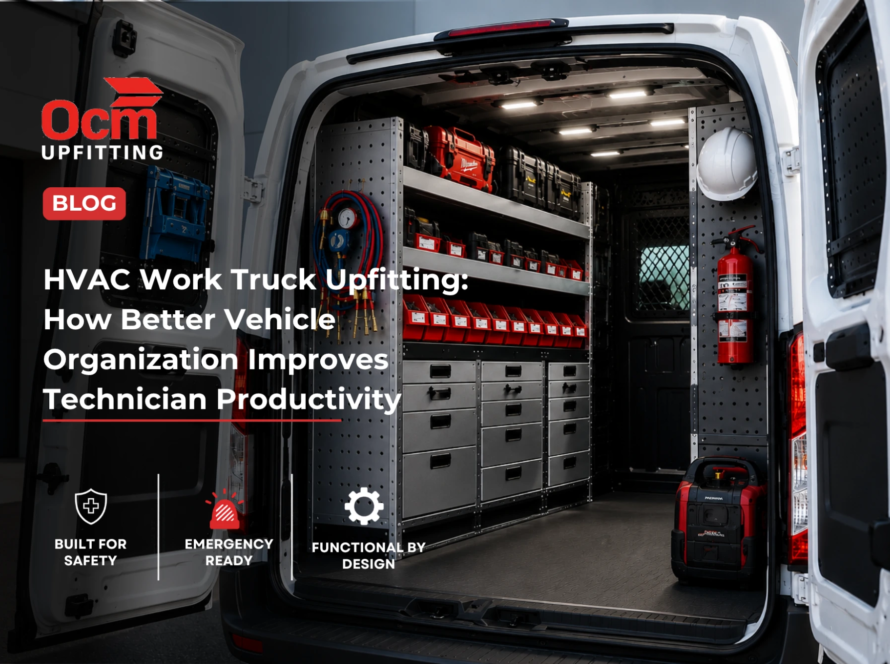
Power distribution planning for multi-system install vehicles is one of the most critical steps in building a reliable, mission-ready emergency or fleet vehicle. From lighting and sirens to radios, cameras, MDTs, and climate-controlled systems, modern upfitted vehicles depend on a stable and well-organized electrical foundation to function safely and consistently.
When multiple systems are installed without a proper power plan, the results can include blown fuses, dead batteries, electrical interference, and unexpected system failures. That’s why professional upfitting starts long before installation — with careful planning, load analysis, and system integration.
In professional vehicle builds, power distribution systems serve as the backbone that keeps every component operating smoothly. A properly designed power layout ensures that all equipment receives the correct voltage, is protected from overloads, and remains operational even during extended on-scene use.
Why Power Distribution Planning Matters
Emergency and tactical vehicles operate under conditions far more demanding than standard consumer vehicles. Lights may remain active for hours, radios transmit constantly, and onboard technology draws continuous power. Without structured power distribution, these demands can overwhelm factory electrical systems.
Proper planning helps to:
-
Prevent battery drain and alternator overload
-
Reduce electrical noise and signal interference
-
Improve system reliability and longevity
-
Support future equipment upgrades
-
Enhance overall vehicle safety
A well-designed power system ensures that critical equipment works when it’s needed most — without compromising vehicle performance.
Understanding Electrical Load Requirements
The first step in power distribution planning is understanding the total electrical load. Every installed component — light bars, sirens, cameras, radios, MDTs, refrigeration units, or inverters — draws power. Each system must be accounted for individually and collectively.
Load calculations determine:
-
Amperage draw under peak usage
-
Startup surge requirements
-
Continuous vs. intermittent power needs
-
Compatibility with OEM electrical systems
Skipping this step often leads to overloaded circuits and unreliable operation. Professional upfitters evaluate both current and future equipment needs to ensure the power system can handle expansion without rework.
Dedicated Power Management vs. OEM Circuits
Factory vehicle wiring is not designed to support heavy auxiliary equipment. Relying on OEM circuits for aftermarket systems increases the risk of electrical failures and voided warranties.
Dedicated power distribution units provide:
-
Independent fused circuits
-
Isolated grounding points
-
Organized wire routing
-
Simplified troubleshooting
Using auxiliary fuse panels or power management modules keeps aftermarket equipment separate from critical vehicle electronics, protecting both systems.
Battery Configuration and Charging Solutions
Multi-system vehicles often require more power than a single starting battery can safely provide. That’s where auxiliary battery systems come in.
Common configurations include:
-
Dual battery setups with isolators
-
Smart battery separators
-
Voltage-sensitive relays
-
Shore power charging systems
These setups allow equipment to run without draining the starting battery, ensuring the vehicle can always be restarted after extended use. Proper charging strategies also protect batteries from premature failure.
Wire Routing, Protection, and Labeling
Clean, protected wiring is essential for long-term reliability. Power distribution planning includes determining safe routing paths that avoid heat sources, sharp edges, and moving components.
Best practices include:
-
Using automotive-grade wiring
-
Protecting circuits with loom and grommets
-
Proper grounding to chassis points
-
Clearly labeling all circuits and connections
Organized wiring not only improves reliability but also makes future service and upgrades faster and safer.
Managing Voltage Drop and Electrical Interference
Voltage drop occurs when power travels long distances through undersized wiring. This can cause equipment to underperform or fail entirely. Proper wire sizing and shorter routing paths help maintain consistent voltage.
Electrical interference is another concern, especially with radios, cameras, and MDTs. Separating power and signal wiring, using shielded cables, and establishing proper grounding minimizes noise and communication issues.
Safety, Compliance, and Redundancy
Safety is a top priority in any emergency vehicle build. Power systems must include:
-
Circuit protection for every device
-
Emergency shut-off capabilities
-
Heat and overload protection
-
Secure mounting of power components
Redundancy planning ensures that essential systems remain operational even if a non-critical circuit fails. This level of preparation is critical for law enforcement, fire rescue, EMS, and tactical fleets.
Planning for Future Expansion
Vehicles evolve. Agencies add new technology, upgrade lighting, or change operational needs. A smart power distribution plan leaves room for growth by including spare circuits and capacity for future installs.
Planning ahead reduces downtime, lowers costs, and avoids unnecessary rewiring later in the vehicle’s service life.
Why Professional Installation Makes the Difference
Power distribution planning is not a DIY task. Improper installations can lead to electrical damage, vehicle downtime, and safety risks. Professional upfitting teams bring experience, testing protocols, and industry standards to every build.
At OCM Upfitting, power planning is integrated into every multi-system install — ensuring vehicles are dependable, safe, and ready for real-world demands.
Conclusion
Power distribution planning for multi-system install vehicles is the foundation of reliable upfitting. When done correctly, it protects equipment, extends vehicle life, and ensures that every system performs when it matters most. Skipping this step leads to costly failures and unnecessary risks.
If your fleet or agency needs dependable electrical integration for lighting, communication, cameras, or storage systems, working with an experienced upfitting partner makes all the difference.
Ready to equip your vehicle with a reliable, professionally planned electrical system? OCM Upfitting specializes in power management, multi-system integration, and mission-ready vehicle builds designed for real-world use. ? Book your appointment today to speak with our team or call (954) 764-8117 to get started on your next upfitting project.