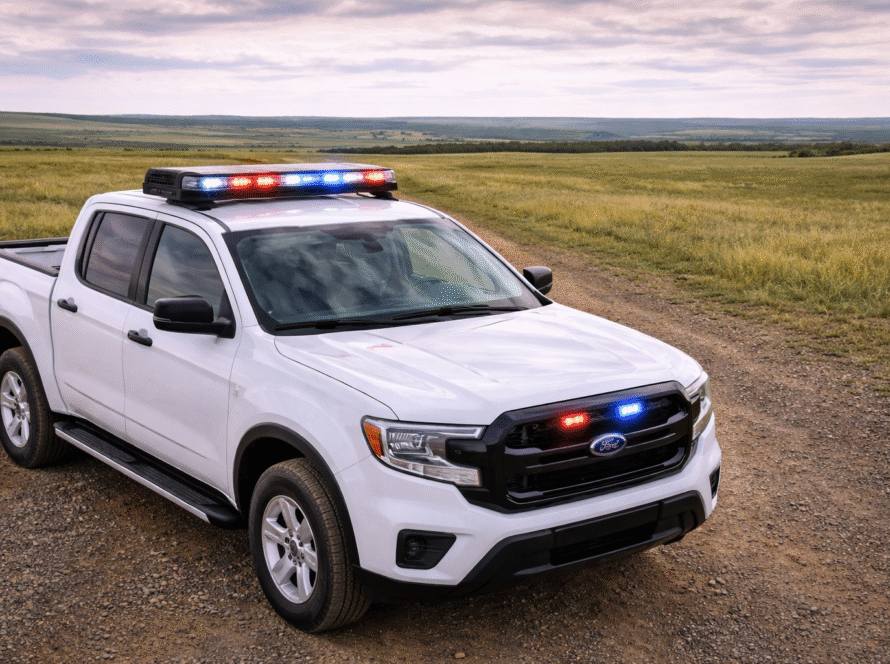
Crash tested vehicle partitions have become a core safety component in modern police fleets. With rising risks in day-to-day operations, officers need interior vehicle equipment engineered to protect them during both routine patrols and high-impact incidents. A well-designed crash-tested partition is more than a barrier it’s a life saving safety structure.
When departments invest in fleet upgrades or partner with professionals specializing in law enforcement vehicle upfitting, choosing the correct partition system is one of the most important decisions they will make. Below, we break down the specific safety features that truly matter and why tested, verified equipment is essential for officer protection.
Why Crash-Tested Partitions Matter More Than Ever
Police vehicles are exposed to harsh environments every day—pursuits, sudden stops, collisions, and transporting unpredictable detainees. Without proper partitioning, officers face several risks:
-
Injury during rear-seat occupant impact
-
Compromised vehicle structure in a crash
-
Insecure detainees reaching the front cabin
-
Equipment shifting during sudden maneuvers
-
Reduced situational control in high-pressure moments
Crash-tested partitions directly address these threats. They are engineered using real-world impact data, ensuring the barrier can withstand forward and rearward force during an accident. This level of testing gives officers the reassurance that the equipment protecting them has been validated under conditions similar to what they face on duty.
Heavy-Duty Material Strength
The strength of a partition comes down to the materials used. High-quality partitions typically use:
-
Heavy-gauge steel
-
Reinforced aluminum
-
Impact-resistant polycarbonate panels
-
High-tensile mounting hardware
These materials prevent deformation during collisions and keep the barrier intact even in high-force incidents. A good crash-tested design focuses on distributing impact energy in a way that protects both the officer and the detainee.
Secure Mounting and Structural Integrity
No matter how strong the partition material is, it is only as safe as its mounting system. Crash-tested partitions feature:
-
Reinforced mounting brackets
-
Structural supports aligned with OEM anchor points
-
Vibration-resistant fasteners
-
Reinforced framing to prevent flexing
A poorly mounted partition can detach or shift during a crash, turning into a major hazard. Crash-tested systems undergo rigorous evaluation to ensure they stay firmly in place even under extreme force.
Airbag Compatibility and Safety Compliance
Modern patrol vehicles are equipped with advanced airbag systems. A partition must be designed to avoid:
-
Blocking airbag deployment
-
Interfering with side-impact curtain airbags
-
Causing redirected force toward the officer
High-quality crash-tested partitions align with OEM engineering, ensuring that airbags deploy correctly and safely. This compliance is essential for fleet managers who want to keep vehicles fully within safety standards.
Optimal Officer Positioning and Cabin Space
A well-designed partition doesn’t just protect—it also improves day-to-day usability. Key considerations include:
-
Adequate legroom for officers in the front
-
Clearance for weapon holsters and duty belts
-
Proper headroom for tactical movement
-
Enough space to reach in-car technology safely
Crash-tested partitions are designed to enhance ergonomics while still offering maximum protection.
Detainee Containment and Behavioral Risk Mitigation
Rear-seat passengers may attempt aggressive movements, kicks, or attempts to break through the barrier. Crash-tested partitions include:
-
Reinforced kick plates
-
Impact-resistant window panels
-
Tamper-proof fasteners
-
Rounded, snag-free edges
These features minimize risks during transport and protect officers from rear-cabin threats.
Easy Communication and Visibility
Visibility is essential for officer situational awareness. Good partitions feature:
-
Clear polycarbonate upper panels
-
UV-resistant coatings
-
Anti-fog and scratch-resistant surfaces
This allows officers to monitor detainees while keeping lines of sight open for surrounding traffic or backup units.
Compatibility With Rear-Seat Safety Systems
A crash-tested partition must work seamlessly with:
-
OEM rear-seat belts
-
Child safety lock systems
-
Rear-seat replacements or molded police transport seats
-
In-car audio and camera systems
This ensures no conflict between safety equipment and partition structure during collisions or sudden stops.
Why Choosing the Right Upfitting Partner Matters
Even the best partition needs expert installation. Choosing experienced professionals ensures:
-
Correct alignment with factory mounting points
-
Proper torqueing of hardware
-
Removal of any equipment that may interfere with airbags
-
OEM-safe wiring for electronics
-
Long-term reliability under heavy-duty use
Departments that rely on professional upfitting see fewer equipment failures and longer-lasting safety performance from their vehicles.
Final Thoughts
Crash-tested partitions are a critical piece of officer safety. They provide structural protection, reduce risk during detainee transport, and ensure that officers can perform their duties with confidence. Investing in high-quality equipment—and having it installed by experts ensures that every shift begins and ends with maximum safety.