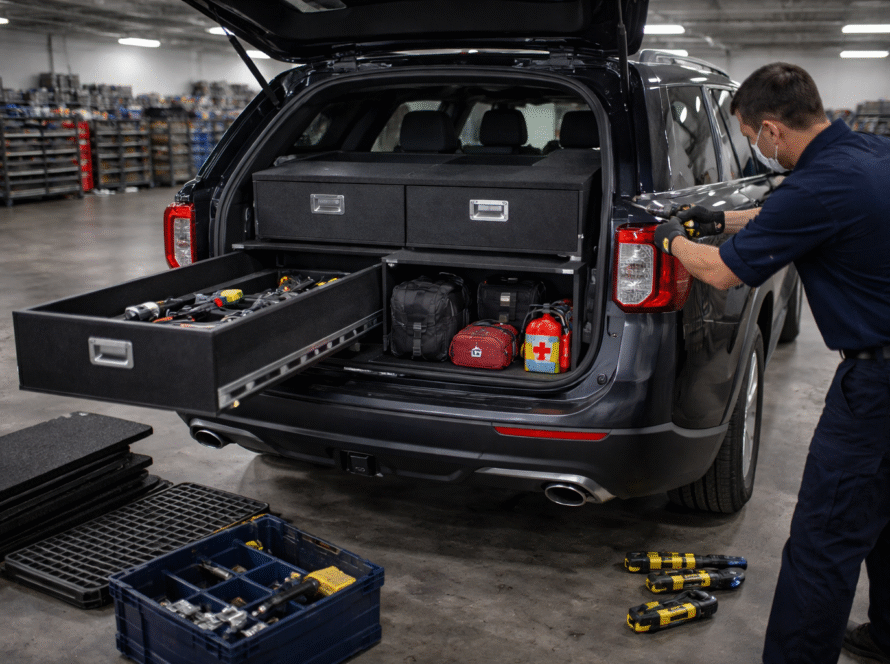
Retrofitting older vehicles for emergency use is becoming an increasingly popular and cost-effective solution for public safety departments, municipalities, and private fleets across the U.S. As budgets tighten and vehicle lead times stretch, many organizations are choosing to upgrade their existing assets instead of buying new units. Done right, retrofitting can extend a vehicle’s life, improve operational safety, and integrate the latest technology—all at a fraction of the replacement cost.
In this guide, we’ll walk through the key considerations, best practices, and benefits of upgrading older emergency vehicles while ensuring they continue to meet compliance and performance standards.
Why Retrofitting Makes Sense for Emergency Fleets
The rising cost of new fleet vehicles, coupled with extended manufacturer delivery timelines, has made retrofitting an attractive alternative. Departments can modernize their existing units—adding new lighting systems, communication gear, and storage solutions without waiting months for new deliveries.
At emergency vehicle upfitting, our team specializes in transforming aging vehicles into fully mission-ready units. We integrate modern systems seamlessly, ensuring performance and reliability comparable to new builds.
Retrofitting also supports sustainability goals. By repurposing existing chassis and body structures, departments reduce waste and environmental impact, aligning with green fleet initiatives.
Assessing Vehicle Condition Before Upfitting
Before any retrofit project begins, the first step is to evaluate the current condition of the vehicle. This includes a thorough inspection of:
-
Mechanical systems: Engine, transmission, brakes, and suspension must be in solid condition.
-
Electrical wiring: Outdated wiring may need complete replacement to handle modern equipment loads.
-
Body integrity: Check for rust, frame damage, or corrosion that could affect safety.
-
Mileage and usage history: Vehicles with excessive wear may not offer a strong return on investment.
A professional assessment ensures the retrofit delivers long-term value rather than short-term fixes.
Key Retrofit Upgrades for Emergency Vehicles
Modern emergency operations demand vehicles equipped with advanced systems that improve efficiency and response times. When retrofitting older vehicles, these are the most impactful upgrades:
1. Lighting and Siren Systems
Upgrading to LED lightbars, integrated siren controllers, and scene lighting dramatically improves visibility and energy efficiency. LED systems draw less power and provide longer service life.
2. Communication and Technology Integration
Modern dispatch and data systems—such as radios, mobile data terminals (MDTs), and GPS tracking—can be retrofitted into older vehicles to enhance connectivity and coordination across units.
3. Power and Electrical Systems
Adding secondary batteries, power inverters, and smart distribution panels ensures all onboard electronics operate reliably without overloading the main electrical system.
4. Vehicle Interiors and Storage
Custom cabinetry, weapon racks, K9 cages, or pull-out drawers can be fitted to maximize space and functionality for police, fire, or EMS operations.
5. Safety and Compliance Upgrades
Installing partitions, airbag-compatible consoles, and compliant mounting systems ensures retrofitted vehicles meet current NFPA and SAE standards.
Cost Savings and ROI of Retrofitting
One of the most compelling reasons to retrofit is cost efficiency. A complete retrofit often costs 30–50% less than purchasing new vehicles. Fleet managers can reallocate savings to other critical areas, such as training, communications, or additional support units.
Additionally, retrofitting reduces downtime. Because upfits are performed locally, fleets can return to service faster than waiting for new vehicle deliveries—a critical factor for emergency response readiness.
Challenges to Consider
While retrofitting offers major advantages, it’s not always the right choice for every vehicle. Key challenges include:
-
Compatibility issues: Some older models may not support newer equipment.
-
Warranty limitations: OEM warranties might not cover modified systems.
-
Long-term maintenance: Older engines and drivetrains may still require more frequent service.
Working with a trusted, experienced upfitter ensures that all modifications comply with federal, state, and departmental requirements, minimizing these risks.
Choosing the Right Partner for Emergency Vehicle Retrofits
Selecting an experienced upfitting partner is crucial. The right company should have:
-
Proven experience with law enforcement, fire, and EMS fleets
-
Certified technicians familiar with emergency-specific standards
-
In-house fabrication capabilities for custom solutions
-
A strong track record of quality assurance and timely delivery
OCM Upfitting provides comprehensive retrofit services designed around reliability, performance, and compliance. Every retrofit project is customized to your operational needs, ensuring that even older vehicles deliver modern-day performance.
Future-Proofing Your Fleet
As emergency response technology evolves, it’s important to plan for scalability. Retrofitting older vehicles should include forward-thinking design—adding modular wiring harnesses, expandable mounting points, and easy-to-upgrade systems. This approach reduces future costs and simplifies maintenance, helping your fleet adapt as technology advances.
Conclusion
Retrofitting older vehicles for emergency use offers a practical, budget-friendly, and sustainable way to keep fleets mission-ready. With careful assessment, modern upgrades, and expert installation, departments can extend their vehicles’ life cycles while maintaining high standards of performance and safety.
Ready to Retrofit Your Fleet?
If you’re considering upgrading your current emergency vehicles, OCM Upfitting is here to help. Our experts specialize in advanced emergency vehicle retrofitting and customization for police, fire, and EMS fleets across the United States.
? Book your appointment today or call us directly at ? (954) 764-8117 to discuss your retrofit project and get a personalized quote.